






Preventing fishery collapse
A study by researchers from the University of Minnesota has shown that extinction and overfishing threats from multispecies fisheries can be identified decades before species are over-harvested and populations decline.
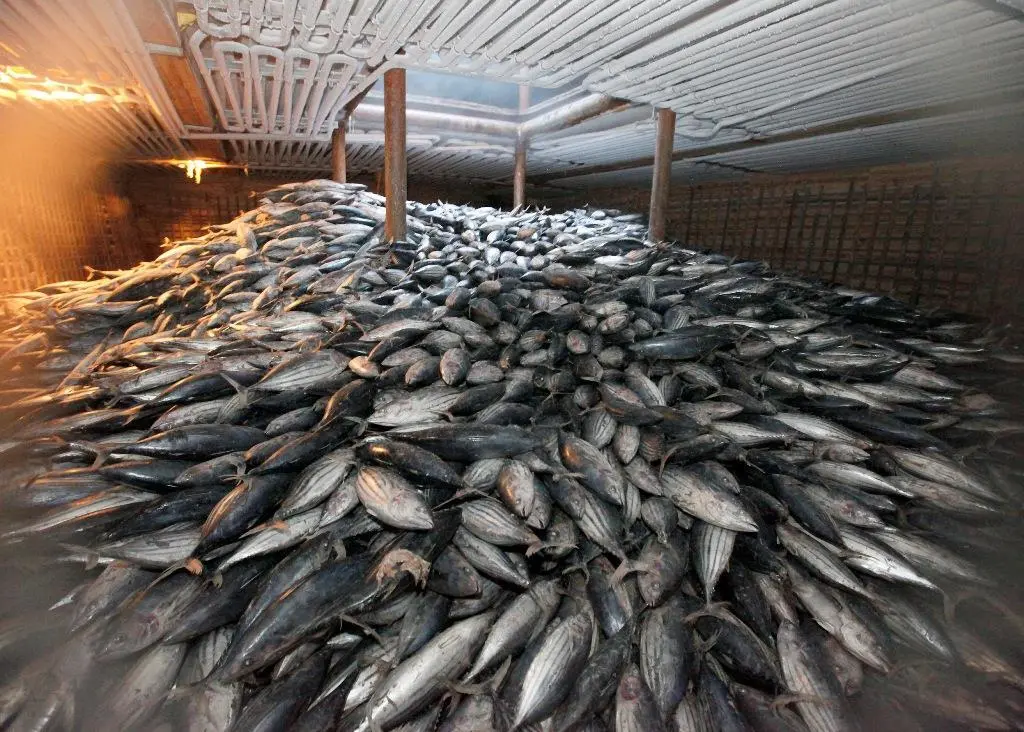
By predicting future threats, instead of assessing current threats, the researchers’ new method would enable conservation measures to prevent overfishing and extinction.
The ‘Eventual Threat Index’, presented in the study, uses minimal data to identify the conditions that would eventually cause a species to be harvested at an unsustainable rate. The central premise of the Eventual Threat Index is that because multispecies fisheries impact many species with the same effort, the long-term fates of all species can be predicted if the fate of any one species can be predicted.
The approach was tested on eight Pacific tuna and billfish populations; four of which have been identified recently by conventional methods as in decline and threatened with overfishing. The study found that the severe depletion of all four populations could have been predicted in the 1950s using the Eventual Threat Index. These results demonstrate that species threatened by human harvesting can be identified much earlier, providing time for adjustments in harvesting practices before consequences become severe.
Ecology, Evolution and Behavior (EEB) graduate student Matt Burgess, one of the authors of the study, says the index is easy and inexpensive to use, and hopes that fisheries will adopt it soon.
The study is based on marine fisheries but could also be applied to multispecies fisheries in large bodies of fresh water.
Related Articles
 FISHERIES
 FISHERIES
 WORLD FISHING EVENTS