



Plastic waste is estimated to cause an estimated $13 billion in financial damage to marine ecosystems, according to two reports issued at the inaugural meeting of the United Nations Environment Assembly.
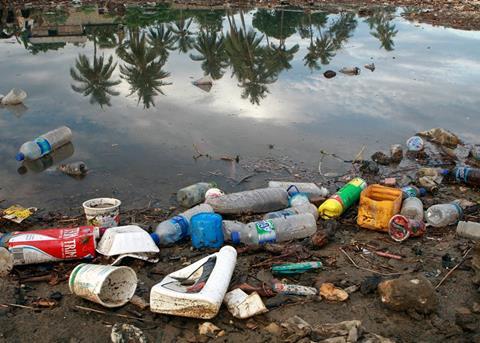
“Plastic contamination threatens marine life, tourism, fisheries and businesses,” underscores the eleventh edition of the UN Environment Programme (UNEP) Year Book.
Valuing Plastic, a UNEP-supported report produced by the Plastic Disclosure Project (PDP) and Trucost, makes the business case for managing and disclosing plastic use in the consumer goods industry.
“Over 30 per cent of the natural capital costs are due to greenhouse gas emissions from raw material extraction and processing,” says the report, adding “marine pollution is the largest downstream cost, with the $13 billion figure most likely a significant underestimate.”
A large and unquantifiable amount of plastic waste enters the ocean from littering, poorly managed landfills, tourist activities and fisheries. Some of this material sinks to the ocean floor, while some floats and can travel over great distances on ocean currents – polluting shorelines and accumulating in massive mid-ocean gyres.
“These reports show that reducing, recycling and redesigning products that use plastics can bring multiple green economy benefits: from reducing economic damage to marine ecosystems and the tourism and fisheries industries – vital for many developing countries – to bringing savings and opportunities for innovation to companies while reducing reputational risks,” said Achim Steiner, UNEP Executive Director.
Plastic waste damages the marine environment in many ways, including causing mortality or illness when ingested by sea creatures; entanglement of animals; damage to critical habitats; chemical contamination; invasive species spread by plastic fragments; and economic damage to the fishing and tourism industries in many countries by fouling fishing equipment and polluting beaches.
Another emerging issue is the increasing use of microplastics directly in consumer products, such as ‘microbeads’ in toothpaste, gels and facial cleansers, which tend not to be filtered out during sewage treatment, but are released directly into rivers, lakes and the ocean. The Yearbook says that microplastics are a threat to larger organisms, such as the endangered northern right whale, which is potentially exposed to ingestion through filter-feeding.
Recommendations of the reports include that companies monitor their plastic use and publish the results in annual reports; and commit to reducing the environmental impact of plastic through clear targets, deadlines and efficiency and recycling innovations.