




Plans to dump sediment at sea blasted
Oceana has requested that the Spanish Institute of Oceanography (IEO) reports on management of the material extracted in the dredging of Mahón harbour in Minorca.
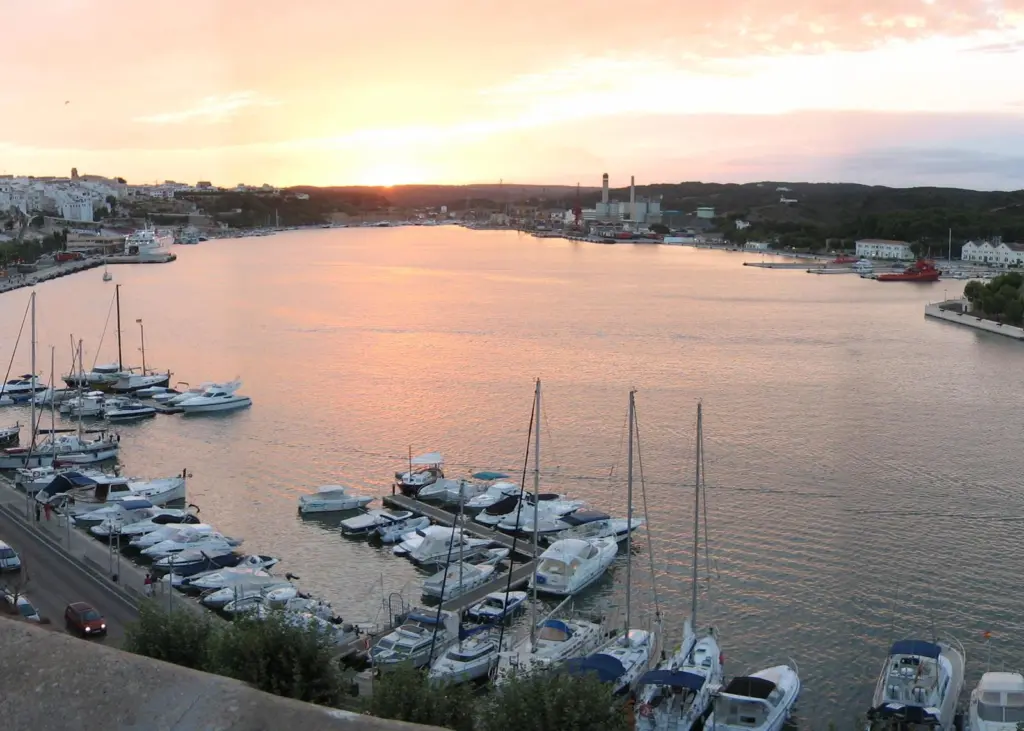
Oceana is firmly opposed to the dumping of dredged sediment into the sea – this project involves the extraction of 200,000m3 of sediment, with a mercury content of 2.28 mg/kg as well as other heavy metals.
A study was carried out by IEO in 2003 (which was concealed until 2011) which disclosed that several species of high commercial value displayed alarming levels of mercury and other heavy metals. Mercury is a toxic substance which affects neuron development. For this reason, the Spanish Health Ministry made an official recommendation for pregnant women, women who might be pregnant, and children under three to avoid eating these species.
“We are not against the dredging of Mahón harbour, but given the worrying mercury pollution in the sea, an alternative must be sought to avoid dumping these polluted materials into the water”, says Xavier Pastor, executive director of Oceana in Europe.
A European Food Safety Authority study was recently published, stating that the mercury level that is regarded as dangerous in fish has been reduced from 1.6 micrograms per kilo of fish to 1.3. “This update, which increases precautions as regards consumption of mercury-polluted fish, proves once again that the effect of these toxic substances on people should not be underestimated”, says Minorcan researcher Marta Carreras, a scientist at Oceana.
Related Articles
 FISHERIES
 FISHERIES
 WORLD FISHING EVENTS