




Plaice trawl fishery gets MSC certificate
The Danish Fishermens Producers Organisation (DFPO) Otter Trawl North Sea Plaice trawl fishery has been awarded MSC certification following a rigorous, independent assessment.
Products from this fishery may now bear the MSC ecolabel, which gives customers assurance that they can be traced to a certified, well-managed fishery.
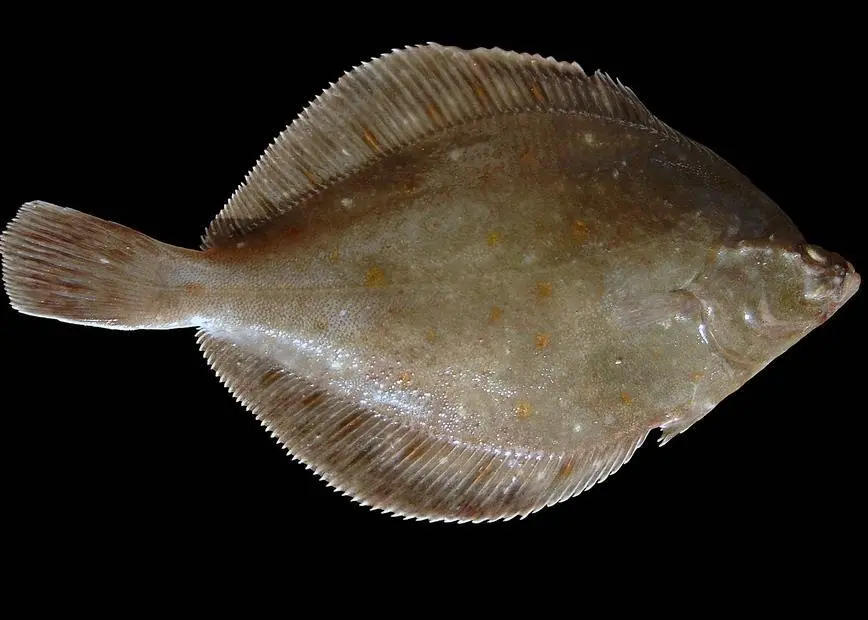
The certified plaice fishery comprises approximately 50 vessels using demersal otter trawl to catch plaice (Pleuronectes platessa) in the North Sea. The fishery currently lands around 5,000t of North Sea plaice. Plaice landed in Denmark is mainly exported as chilled whole fish to Northern European markets such as The Netherlands, Germany and Switzerland, consumed domestically and to a lesser degree exported as frozen fillets to a variety of European countries.
The North Sea plaice fishery originally entered MSC assessment with three different gear types; set net, seine and trawl. The set net and seine fisheries were certified earlier this spring. The independent assessment team’s recommendation to certify the trawler component was further examined by an Independent Adjudicator (IA), after an objection was lodged by WWF Netherlands on behalf of a number of stakeholders.
The Danish otter trawl plaice fishery mainly takes place on dynamic, sandy seabed, which recovers much faster than other habitat types from the impact of fishing operations. In order to further reduce uncertainties about the potential impact of its operations, the fishery has also undertaken, as a condition of certification, to implement a habitat strategy which will ensure enhanced protection of vulnerable habitats through measures such as closed areas, gear modifications, technical developments and targeted research.
In responding to the issues raised by WWF in the notice of the objection, the assessment team strengthened the action plan for implementing the habitat strategy and milestones in the conditions for the delivery of specific outcomes on an annual basis were added. The independent adjudicator accepted that the assessment team had taken stakeholder concerns into account, and found that the scoring decisions were justified by the evidence presented. The fishery could therefore be certified sustainable.
Related Articles
 FISHERIES
 FISHERIES
 WORLD FISHING EVENTS