





Plaice in The Netherlands
The European Market Observatory for Fisheries and Aquaculture Products (EUMOFA) has released its latest case study, ‘Price structure in the supply chain for plaice in the Netherlands.’
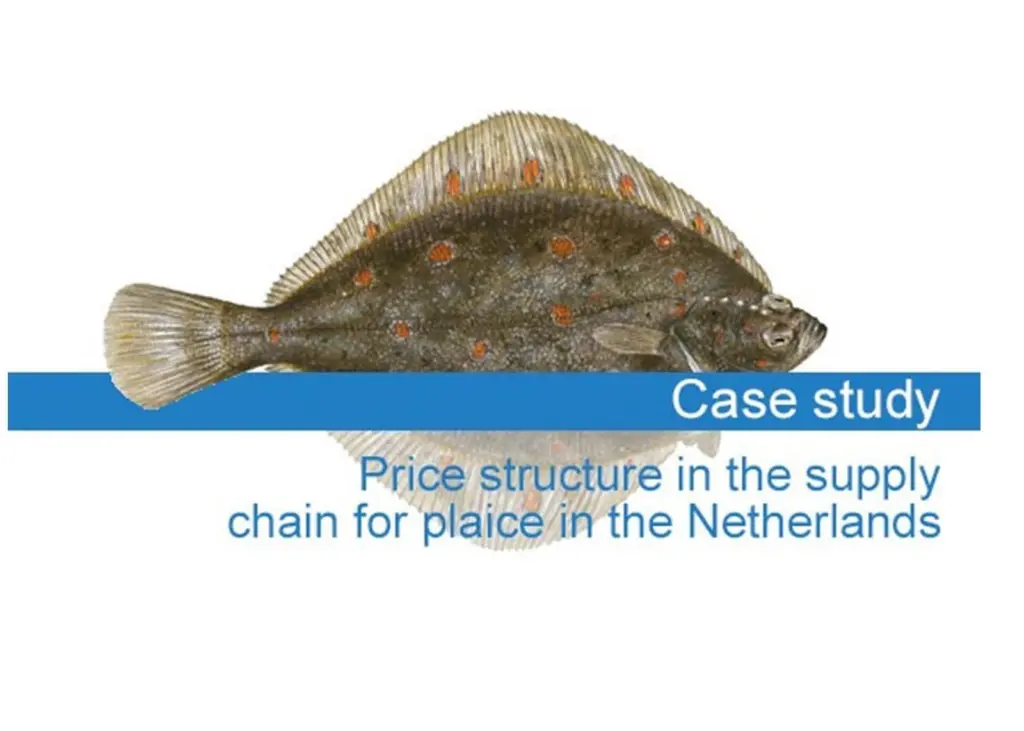
The Netherlands is a major player regarding fisheries, trade, and plaice processing. The country is the top producer of European plaice in the world, with nearly 29,000 tonnes. The EU accounts for 86% of the world catches with more than 86,000 tonnes (2014).
The Total Allowable Catches (TACs) for plaice more than doubled between 2008 and 2015. However, TACs were not fully utilised by the EU fleet: 93% utilisation in 2010, 68% in 2014 and 64% in 2015.
Italy, the United Kingdom, and Germany are the main consumer markets, which represent 64% of the total EU market for plaice.
The Netherlands mainly imports fresh whole plaice from the UK and exports to Italy and Germany as fresh and frozen fillets.
Dutch plaice fisheries began to be MSC certified in 2009, and in 2013 certified plaice accounted for 65% of the national catches.
In terms of price structure in the supply chain, as the filleting yield is quite low, the filleting loss is a major cost item. In the case of the fresh fillet marketed in Dutch retail, the packaging cost and the distribution from platform to point of sale account for more than half of the retail price. For frozen fillets shipped to Italy, the filleting, freezing and packaging costs represent 26% of the price delivered at platform in Italy. The net margin of the processor is higher in the case of fresh fillets (0.23EUR/kg) than in the case of frozen fillets (0.15EUR/kg).
The full report is available here.
Related Articles
 FISHERIES
 FISHERIES
 WORLD FISHING EVENTS