
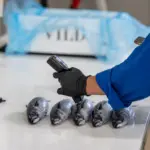

Phosphorus production gold mine
Limited access to global reserves of phosphorus, a vital mineral added to salmon feed, means the industry must increase its use of current sources, says Nofima.
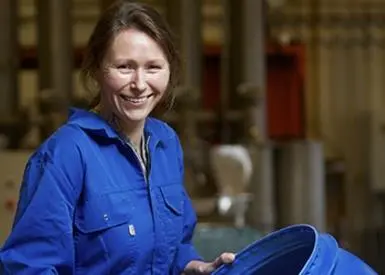
One such source is filleting waste – something Nofima has called an “unexploited gold mine”. Filleting waste contains high levels of phosphorus, but a large fraction is bound in poorly soluble mineral complexes in fish bones, and since salmon have a limited ability to digest phosphorus from fish bones, Nofima has been working to develop biotechnology solutions that can make nutrients in fish bones more readily available.
It has managed to garner a large fraction of the phosphorus present in herring filleting waste.
“It’s difficult to obtain the phosphorus present in herring filleting waste, which has a lower content of bone than other raw materials that we have experience of using,” said senior researcher Sissel Albrektsen. “But we managed it after careful adaptation of a method we use for other marine raw materials to process and acid treat filleting waste.”
As much as 90% of the phosphorus in herring bones can be obtained using this method.
The phosphorus in fish bone hydrolysate can be absorbed from the intestines just as other readily soluble phosphorus salts used in salmon feed. The results for rate of growth, phosphorus digestibility and the amount of phosphorus from the feed that is stored in the fish all show that this is the case.
Tests have also shown that the skeleton develops normally when the fish obtain sufficient phosphorus from the diet, and this is important to avoid deformities in farmed salmon, says Nofima.
“We have shown that upgrading bone raw material, which has sometimes been seen as hazardous waste from the production of fishmeal, has a large potential and may be enormously beneficial as an ingredient in feed. There are indications that fish bone hydrolysate has further positive properties, such as an ability to improve the digestibility of several other nutrients and to give improved growth. We plan to continue to work on this in order to understand fully the potential of the new ingredients,” explained Ms Albrektsen.
The method is not yet ready for industrial use, but Nofima is involved in the Forny project, with the goal of commercialising the new technology.
“We do know that the production process for acid hydrolysis requires relatively small and simple changes in a company, and the requirements for increased expertise to handle the new processes and product lines are also relatively small. The investment required is also reasonable, particularly if the new production lines are located at existing fish landing or fishmeal production facilities. The greatest investment is needed during the initial phase,” added Ms Albrektsen.
Related Articles
 FISHERIES
 FISHERIES
 WORLD FISHING EVENTS