

Last week the Pew Environment Group called on the world''s governing body for conserving Antarctic marine life to geographically spread out krill catches in the Southern Ocean. This would prevent the concentration of the fishery from significantly reducing the amount of krill available for key predators including whales, penguins and seals.
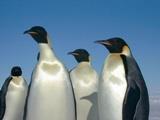
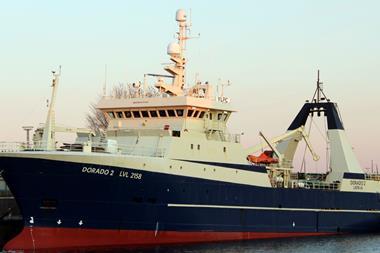
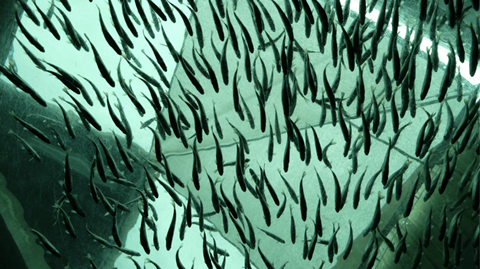
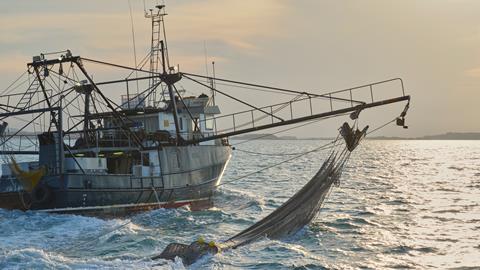
Krill are tiny, shrimp-like crustaceans that serve as the "bread and butter" of the Southern Ocean food chain. But an expanding commercial krill fishery poses serious threats to the shellfish and its iconic predators. The greatest demand today for Antarctic krill comes from the fish farming industry which uses krill for feed. Commercial fishing boats also catch and process krill, high in beneficial Omega-3 fatty acids, for dietary supplements.
The Commission for the Conservation of Antarctic Marine Living Resources (CCAMLR) was created 28 years ago to preserve krill, but there is still no effective management system in place to protect this linchpin of the Antarctic ecosystem.
"Prominent scientists from CCAMLR's scientific committee recently acknowledged that the concentration of the krill fishery in a few small areas around the Antarctic peninsula may endanger krill predators in these coastal regions," said Gerald Leape, senior officer, Pew Environment Group. "Based on CCAMLR's own data, it is critical that the Commission takes precautionary measures to spread out krill fishing in both area and time to reduce the overlap of the fishery with the foraging range of key land and marine predators."
Pew also called upon CCAMLR to develop a coordinated research plan to better manage the Southern Ocean krill fishery and mandate that international scientific observers be stationed on every krill fishing vessel.
The 28th annual CCAMLR meeting began on October 26 and will end on November 6 in Hobart, Tasmania.