




Pangasius shortage to hit Europe’s whitefish market
A shortage of pangasius, caused by increased costs forcing producers out of business, will severely limit supplies of this cheap alternative ‘whitefish’ species, particularly to the EU where importers are reluctant to pay more for the now popular fish.
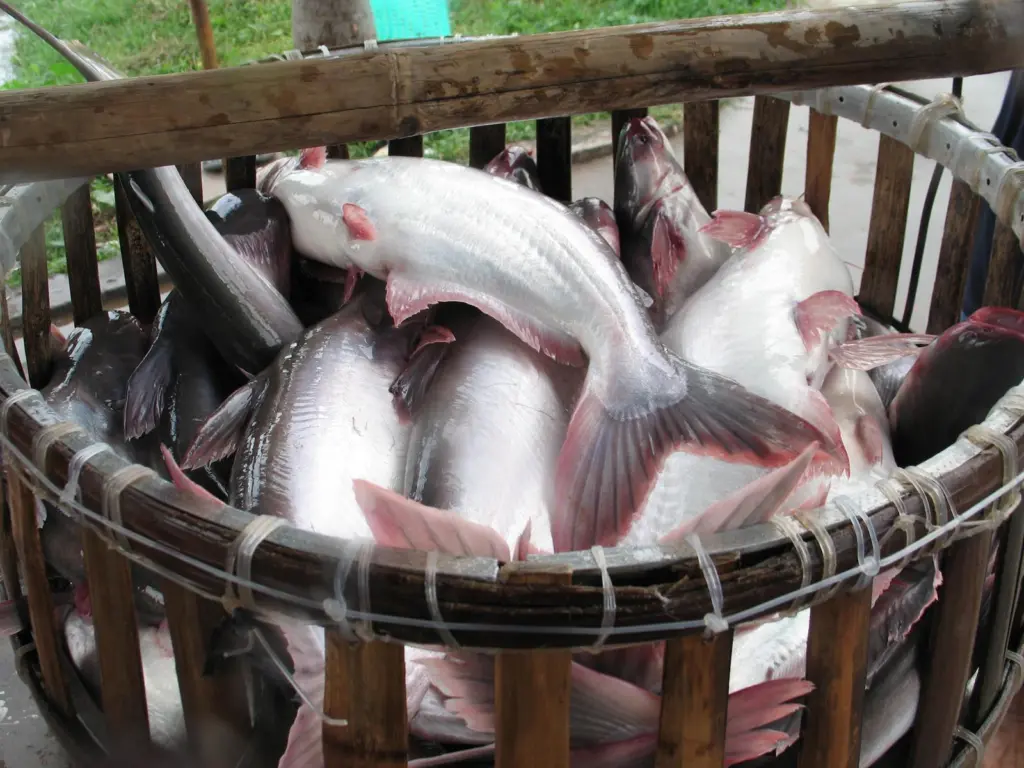
Pangasius, a freshwater catfish farmed in Vietnam, has been the seafood success of the last decade. FAO statistics record a production of just 114,000 tonnes in 2001, most of which was consumed locally. However, production has since rocketed and nearly 1.4 million tonnes of pangasius were harvested in 2009.
Recently it has been reported that the volume of pangasius is falling as increased farming costs are not being recouped in the marketplace. Around 1.2 million tonnes of pangasius were produced in 2010, but this year it is estimated that only about 700,000 tonnes will be available for processing.
During the past decade, exports of IQF skinless and boneless pangasius fillets from Vietnam have also soared and pangasius products are now sold to more than 130 countries and territories.
The main markets are the EU and USA where pangasius is a much cheaper alternative to traditional wild-caught whitefish species such as cod. In fact, some UK fish and chip shops have been prosecuted for trying to pass off pangasius as cod to their customers.
Pangasius is mainly sold as basa or river cobbler in UK supermarkets, whereas in the rest of Europe it is usually known as panga. In the USA, where it is called swai, there is a movement to ensure that the fish will soon have to be called catfish. Ironically this comes after the US Food and Drug Administration (FDA) had previously ruled that the name catfish, although scientifically correct, could not be used as pangasius could then be mistaken for the so-called channel catfish farmed in the south of the country.
Pangasius has had a checkered history in the USA, largely because of the efforts of the Catfish Farmers of America (CFA) which sees pangasius and other imported catfish species taking away market share from its own more expensive product.
The CFA is waging an anti-pangasius campaign and wants the Obama administration to transfer the responsibility of inspecting catfish and pangasius imports from the US FDA to the US Department of Agriculture (USDA). If successful, this would effectively force Vietnamese producers to farm pangasius under the same conditions and using the same methods as domestic producers. And although pangasius production in Vietnam is moving towards the use of earthen ponds – similar to the method employed in the USA to rear channel catfish – Vietnamese producers still raise pangasius in floating cages in the Mekong Delta so imports would be badly hit.
The measure was included in the 2008 Farm Bill which was expected to come into force in January. If the measure has not been withdrawn during the bill’s passage through Congress and the Senate, then Vietnamese processors will have to seek alternative markets for their fish.
Theoretically this shouldn’t be too difficult as it is estimated that Vietnam could easily sell about two million tonnes round weight of pangasius worldwide, almost double the amount produced in 2010.
In Europe, the biggest market for pangasius, there is already far higher demand than there is fish available. However, the low prices being offered by importers – last year they were paying USD2.80-3.00 per kg CIF for best quality fish (100% white with 5% glaze) – have made this market unattractive to exporters.
Consequently they have been stockpiling fish in cold stores in Vietnam while awaiting the outcome of the 2008 Farm Bill. If the farming of pangasius in Vietnam is not brought under the jurisdiction of the USDA then these supplies will be released on to the American market.
If the outcome of the Bill is unfavourable to the Vietnamese, most of this fish will inevitably come to Europe although pangasius producers are also seeking new markets in the Middle East and elsewhere.
However, there is not so much pangasius available in Vietnam any more. Many farmers stopped production last year because of a 20% hike in feed costs, and freight costs also rose dramatically by 20-30%. One observer says that there will be a shortfall of about 500,000 tonnes of pangasius this year compared with 2010, and this will reduce the amount available for processing to about 700,000 tonnes.
The shortage is already forcing up prices and pangasius has become relatively expensive. US importers are now paying close to USD4.00 per kg CIF for best quality fillets and European buyers about USD3.50- 3.80. (The price in the USA is higher because of the more developed market for catfish, whereas in Europe pangasius is still regarded as a ‘new’ species.)
Vietnam has worked hard to bring its processing plants up to the standard demanded by European buyers – there are now 396 Vietnamese seafood processors qualified to export directly to the EU market – and farming methods are being upgraded.
However, this hasn’t stopped European politicians portraying pangasius in as bad a light as possible, presumably to curry favour with their domestic fisheries industries. In early November, Scottish MEP Struan Stevenson called Vietnam’s Mekong River where the fish is raised, ‘filthy’, and accused the country’s pangasius industry of ‘ruthlessly’ exploiting workers. Since these comments were made, the Vietnamese Association of Seafood Exporters and Producers (Vasep) has invited Mr Stevenson to Vietnam to study the industry at firsthand.
An even more damning indictment of the pangasius industry has been delivered by the World Wildlife Fund for Nature (WWF) which has placed the species on its Red List of fish to avoid because of unsustainable farming practices.
There has been a lot of controversy over the WWF’s action and pangasius was supposed to have been removed from the list, but this hasn’t happened. Despite an assurance made by Mark Powell, WWF global seafood coordinator, at a press conference in December, pangasius still appears on the Red List on the WWF websites of Belgium and Norway.
For its part Vasep had promised that all exported pangasius will be certified according to international sustainable development criteria. (In fact, the WWF’s own Aquaculture Stewardship Council certification scheme will be used.)
This adverse criticism is causing concern in Vietnam, but it is very unlikely that the market for pangasius will contract during the current economic climate because of it. However, if the price of pangasius products continues to increase, and the signs are that it will, then this will slow down sales.
Meanwhile Vietnam’s Ministry of Agriculture and Rural Development has set a target of USD5 billion for export sales of seafood this year. The country is already ranked sixth of the world’s leading seafood exporters and fourth in Asia behind China, India, Indonesia and the Philippines.
Related Articles
 AQUACULTURE
 SEAFOOD
 SEAFOOD