




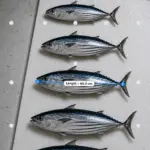

Pacific bluefin tuna recovering
NOAA Fisheries has reported that although Pacific bluefin tuna numbers continue to be low, there are signs the population is recovering and rebuilding targets set by international agreement are on track to be met.
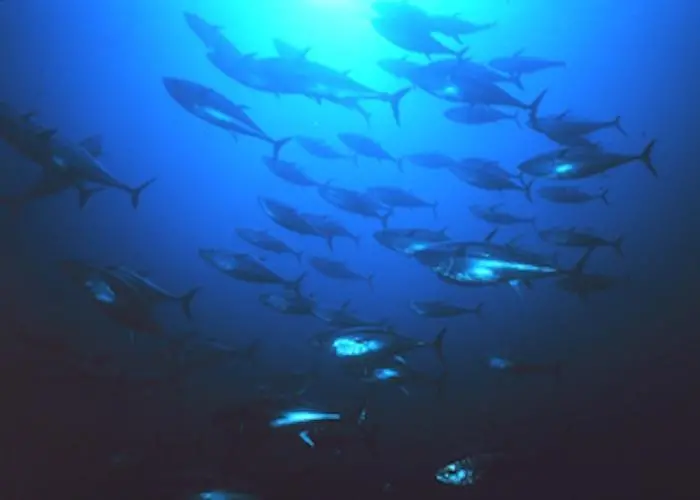
In July, the International Scientific Committee for Tuna and Tuna-Like Species in the North Pacific Ocean (ISC) released the most recent assessment of Pacific bluefin tuna (Thunnus orientalis) and evaluated the likelihood of reaching internationally established rebuilding targets. The bluefin spawning stock biomass (SSB) was estimated to be 3.3% in 2016 relative to their unfished SSB, up from 3.0% in 2014.
Unfished spawning stock biomass is the theoretical amount of fish there would be had there never been fishing. The amount and rate of bluefin harvested continues to be high with the greatest catches (and thus impact) on juveniles in the western Pacific Ocean. NOAA Fisheries scientists participate in these assessments and since 2013 the agency has listed Pacific bluefin tuna as overfished and subject to overfishing.
2024 estimate
The assessment also projected the stock’s performance based on its status in 2016, management measures in place now, as well as other harvest scenarios. Overall, the analyses indicate that the stock biomass is expected to reach the initial biomass rebuilding target adopted by the Western and Central Pacific Fisheries Commission (WCPFC) by 2024 with a 98% probability, and the second biomass rebuilding target by 10 years after reaching the initial rebuilding target or by 2034, whichever is earlier, with a 96% probability.
Experts have not yet determined the amount of biomass that would indicate the population is recovered or rebuilt.
The Inter-American Tropical Tuna Commission is expected to adopt catch limits for 2019 and possibly beyond. The WCPFC may consider increasing catches when it meets in December.
Related Articles
 FISHERIES
 FISHERIES
 WORLD FISHING EVENTS