

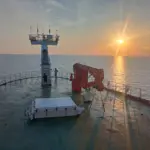




Oz vessel nominated to fish small pelagic fishery
An Australian flagged and operated vessel has been chosen, under the Fisheries Management Act 1991, to fish the small pelagic fishery within the Australian fishing zone.
The 95m Geelong Star is operated by Seafish Tasmania, an Australian fishing company that has been fishing in the country’s southern waters for more than 30 years.
It won’t be eligible to fish until the Australian Fisheries Management Authority (AFMA) has approved a tailored Vessel Management Plan (VMP) to ensure potential interactions with marine mammals and seabirds will be minimised through measures such as compulsory use of an approved marine mammal excluder device in the nets.
Vessel fishing in the small pelagic fishery are fitted with a mandatory GPS tracking system and will carry independent observers for at least the first 10 trips, and regularly after that.
Geelong Star will also be required to land all catch in Australia to a licensed Commonwealth fish receiver and fisheries officers will regularly carry out landing inspections.
The Australian government recently invested AUS$1.5m in independent research to “refresh” data on the current size of many Australian small pelagic fish stocks.
The first results from this new research will be available in March and will help set total allowable catches (TACs) for the small pelagic fishery from 1 May 2015.
Initial results from this research suggest that the spawning biomass for jack mackerel may be similar with previous findings. The analysis will be reviewed by independent scientific experts before being finalised.
“It’s important that we strike the right balance between conserving natural resources and having sustainable industries: sound science will continue to inform all decisions regarding access to all Australian fisheries,” said Senator Richard Colbeck, parliamentary secretary to the Minister for Agriculture.
Related Articles
 FISHERIES
 FISHERIES
 WORLD FISHING EVENTS