


A dynamic panel session was held at the International Institute for Fisheries Economics and Trade (IIFET) by Environmental Defence Fund Europe.
It focused on how the fishing industry is adapting, innovating and attempting to overcome the challenges posed by the discard ban.
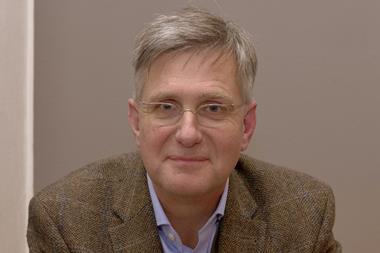
Peter Olsson, from the Swedish Fishermen’s Producer Organisation, explained: “It is impossible to prosper with increased selectivity.”
“We just need to make use of the tools available. With the right combination of tools and policy measures we can create the right conditions for sustainability and strong business.”
Mr Olsson was one of the speakers which contributed to the panel as a part of the IIFET event.
Dr Erik Lindebo, economist and senior consultant to Environmental Defence Fund, chaired the panel and led discussions on the tools and approaches being applied across Europe.
He spoke about how these tools can offer support as the industry moves towards the full implementation of the Landing Obligation by 2019.
“The Landing Obligation has represented a huge change in the fishing landscape, and will continue to do so,” commented Dr Lindebo.
He added: “But we’re surrounded by optimistic, pragmatic solutions that can make a difference, especially to mitigate some of the all-important choke problems.”
“The key now is to ensure fishing industry and policy are on the same page when it comes to fully utilising the management toolbox, allowing innovation and best-practice to come to the fore via the simplest route possible.”
The discussion covered small-scale fisheries, scientific perspectives, and in-depth industry comment on the future of fishing under the LO.
It also underlined the importance of the processing sector, as David Parker of Young’s Seafood highlighted the entrepreneurial talent within the sector, and the value this offers to supply-chain innovation, including at the ‘business end’ of catching.