





Over half of mahi-mahi sustainable, says SFP
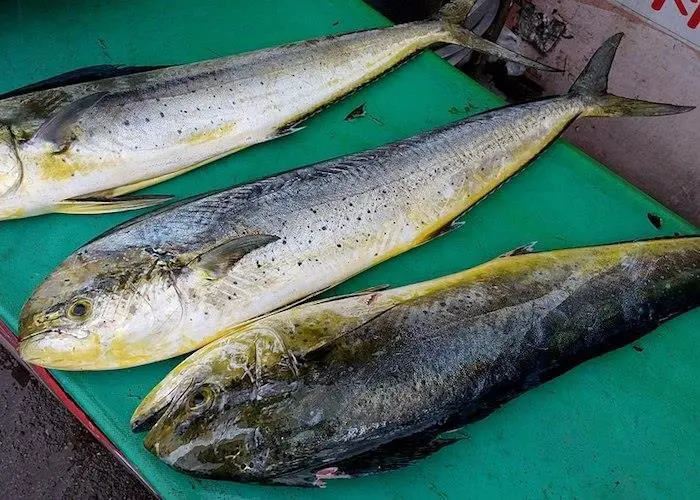
More than half of the world’s mahi-mahi products are already being sourced in a sustainable or improving manner, according to the latest sector report from Sustainable Fisheries Partnership (SFP).
The report is the latest to focus on SFP’s Target 75 initiative, a global movement launched last year focused on increasing sustainability in the industry.
According to the report, SFP classifies 59 per cent of global production of mahi-mahi as sustainable or improving.
“Most of this success has been achieved via improvement projects that are currently active in Peru, Ecuador, and Taiwan, three of the top five mahi-producing countries in the world,” SFP analysts said in the report.
Improvements needed
Potential obstacles to further improvement, according to the report, include a lack of stock data, lack of management of existing stocks, and missing or incomplete catch data.
The report’s authors recommend participation in the forthcoming Large Pelagics Supply Chain Roundtable (SR), made up of elements of the Indonesia Tuna and Large Pelagics Supply SR and the Eastern Pacific Ocean SR, which are currently working on improvement projects that could boost the amount of the mahi-mahi sector that meets the T75 criteria by as much as 15 per cent.
Jim Cannon, chief executive of SFP, said: “Mahi is an important large pelagic commodity, especially in the US. We’re pleased to see so many fisheries already functioning sustainably or involved in improvement projects that are showing progress. This is good news for the sector.”
Related Articles
 FISHERIES
 FISHERIES
 WORLD FISHING EVENTS