





One step closer to Bristol Bay relief
The public comment period on the US Environmental Protection Agency’s (EPA) proposal to protect the Bristol Bay watershed from mining has come to end, with thousands of Americans pledging their support.
Initial public comment counts from over 625,000 people including Bristol Bay’s fishermen, processors, Alaska’s fishing industry and commercial fishing groups and businesses across the nation, demonstrated “overwhelming” support. Alaskans alone sent roughly 20,000 comments supporting the proposed protections.
“A massive open-pit mine planned for the heart of the salmon-rearing headwaters of our nation’s largest and most valuable salmon runs is not worth the risk. And based on these numbers, the American people clearly agree,” said Sue Aspelund, executive director of the Bristol Bay Regional Seafood Development Association (BBRSDA) and spokeswoman for the fishing fleet.
Although official numbers will be released later, it is said that a clear majority support the Clean Water Act process, which allows EPA to proactively restrict certain dredge and fill permits required in order for the Pebble Mine to move forward.
Comments were likely swayed by a mine disaster in British Columbia’s Fraser River watershed that occurred during this 60-day comment period, giving the public a preview of the potential risks of the proposed open-put Pebble development at the headwaters of Bristol Bay’s two most productive salmon rearing river systems.
“For a decade, Pebble’s proponents have been making empty promises and guarantees to Bristol Bay and our fishermen. The tragedy at Mount Polley graphically illustrates the reality that mines like Pebble clearly pose an unacceptable threat to Bristol Bay,” added Katherine Carscallen, commercial fisherman and sustainability director for the BBRSDA.
The EPA will now complete an official comment count and review them before issuing its Final Determination before 4 February 2015.
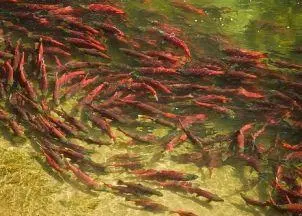
Bristol Bay produces nearly 50% of the world’s supply of sockeye. It provides at least 14,000 full and part time jobs and has been valued at $480m annually.
Related Articles
 FISHERIES
 FISHERIES
 WORLD FISHING EVENTS