



Offshore platforms could be fish hot spots
Marine ecologist Dr Toyonobu Fujii has found that oil and gas platforms could be serving as beneficial habitats for fish populations such as cod and haddock.
There may also be potential for man-made structures such as offshore platforms and installations for renewable energy to be used as reef habitat, he says.
Dr Fujii is a researcher at the University of Aberdeen’s Oceanlab and has been analysing long-term bottom trawl survey data of fish distributions in relation to the installation history of offshore oil and gas platforms in the North Sea.
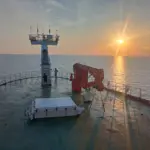
“There are currently no less than 500 offshore installations extracting oil and gas primarily from the continental shelf in the North Sea and, since the first installation, more and more researchers have been aware that a variety of commercially important fish species such as cod, haddock and saithe gather in substantial numbers around these artificial structures,” said Dr Fujji.
“Currently, all the offshore platforms and the safety zones around these platforms, combined, account for only 0.08% of the surface area of the North Sea. However, the proportion of fish abundance estimated to aggregate around these structures was much higher than the surface area alone would suggest.”
He says that it has not yet been determined why they are gathering there, but it may be because there are more feeding opportunities or because they provide places for them to shelter or hide. However, if they are using these habitats as nursery or spawning grounds then these structures could be important as such biological mechanisms strongly drive the future population dynamics of the fish.
Dr Fujii says more research is needed into the causes and seasonal nature of such phenomena in association with artificial structures. He also wants to explore whether other fish species such as flatfish or pelagic fish (e.g. mackerel) show similar trends and are attracted to these sites.
Related Articles
 FISHERIES
 FISHERIES
 WORLD FISHING EVENTS