




Offshore mussel farm lease granted
Offshore Shellfish Ltd (OSL) has been granted a lease by The Crown Estate to develop a pioneering offshore, rope cultured mussel farm in Lyme Bay, Devon, UK. Work will soon start on a pilot project, and at its full development of 15.4sq km, the farm will be the largest of its kind in Europe.
“We are delighted that four years of research and planning have resulted in a successful lease application. This, in combination with the Coastal Protection Act, Section 34 licence issued by the Secretary of State last January, means that we can now forge ahead with our new business. We view it as an exciting and positive addition to the local and the wider UK seafood industry,” said OSL directors John and Nicki Holmyard.
During the planning stage, OSL consulted widely with industry and regulators to ensure the farm would be a model of environmental good practice. The pilot project includes an extensive monitoring programme, which will be undertaken by Plymouth Marine Institute.
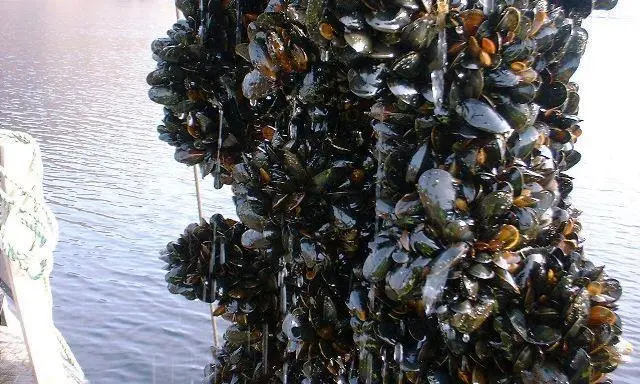
“This new business is a unique opportunity to produce mussels away from the coast, which will help to diversify and develop the full potential of large-scale seafood production in the UK. The mussels will be grown on ropes suspended above the seabed, which ensures they are free from grit. By going offshore, the farm will be well flushed with clean oceanic water that is rich in the plankton on which the mussels feed naturally,” explained John Holmyard.
The farm will be developed over a number of years and initially, production will be aimed at the export market.
“We designed this as a large-scale development to enable us to provide the type of volumes required by European buyers,” said Nicki Holmyard. “However, with low per capita consumption of mussels in the UK, our long-term aim is to develop the market by encouraging greater domestic consumption of this highly nutritious and delicious seafood.”
Offshore shellfish cultivation is supported by EU and UK strategies for the development of the aquaculture industry, and also feeds into the UK government’s food security strategy.
This type of aquaculture uses no artificial feeds, fertilisers or medicines, and is widely viewed as one of the most environmentally sustainable methods of food production.
“The creation of this new industry will bring with it the opportunity for long term sustainable employment at sea and onshore, and offer local people an additional career choice. In addition to direct employment, it will create job opportunities within the ancillary support industries such as transport, engineering and supplies,” said John Holmyard.
Related Articles
 FISHERIES
 FISHERIES
 WORLD FISHING EVENTS