




Oceana website dedicated to Baltic data
Oceana has launched a website to gather information on sick, dead and “disappearing” fish in the Baltic Sea in a bid to increase available knowledge and improve research and studies.
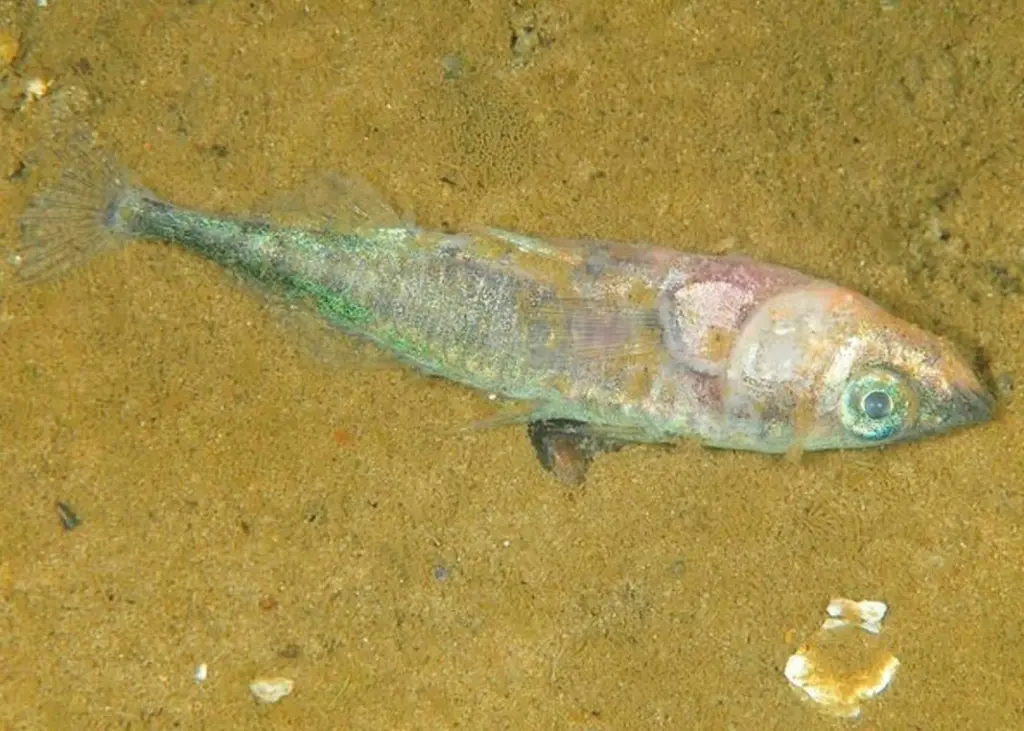
Reports from fishermen, coastal citizens and government authorities of poor water quality, dying or sick fish, as well as fish stocks “disappearing” from the coast, have been cropping up in the media in recent years. Oceana’s research expeditions have also confirmed the poor status of certain species in the Baltic Sea.
“During Oceana’s research expeditions to different parts of the Baltic Sea, particularly high numbers of fish that were either dead, abnormal or in very poor condition were recorded compared to our expeditions made in other parts of the world,” said Hanna Paulomaki, project manager, Oceana Baltic Sea.
Investigations by governments in particularly problematic areas, such as Hanö Bay in Sweden, have been carried out, but no one has yet made an attempt to examine this problem from a pan Baltic Sea perspective, something that Oceana says it highly encourages.
“Unfortunately the extent and causes of this worrying problem are mostly unknown, so with this website we want to draw a clearer picture of this phenomenon. Therefore it is crucial to collect as much information as possible,” added Ms Paulomaki.
The website contains a map showing where Ocean has encountered fish in a poor conditions, along with images of their observations of this issue during previous expeditions and a collection of related media reports.
Oceana is inviting authorities, stakeholders, the public and organisations to report sick, dead or dying dish in the Baltic Sea, with images if possible.
Related Articles
 FISHERIES
 FISHERIES
 WORLD FISHING EVENTS