



Oceana is questioning Baltic Sea fisheries directors’ adopted proposal to decrease the size of cod allowed for human consumption, stating it risks opening up a market for undersized fish.
The newly reformed Common Fisheries Policy (CFP) requires that the discard ban and other control measures enter into force in 2015. The Baltic region is the first to implement the discard ban in the EU, but Oceana says it’s concerned that any bad practices put in place will set a “dangerous” precedent for other regions.
“It’s very disappointing that they have chosen to solve the problem of unwanted catch in this way, rather than by improving fishing gear selectivity and changing fishing behaviour. The allowed sizes should be based on biology, with the aim of ensuring that each individual is able to spawn at least once before capture. This is a step in the wrong direction,” said Xavier Pastor, Oceana’s executive director in Europe.
Small-sized cod are not the only ones at risk, large individuals are even more crucial for the wellbeing of the stock, says Oceana.
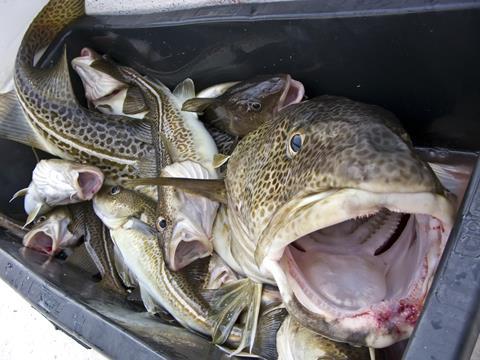
Baltic Sea cod was on the brink of collapse just a few years ago. While it has since grown, scientists are now reporting that the stock consists largely of small individuals, with very few larger fish. The abundance of large fish is crucial since they are able to produce more and larger eggs.
“The Baltic Sea faces a real challenge because selectivity measures must not only address the need to save small fish from being caught before they have been allowed to spawn, but must also ensure that large fish can escape from trawls. It is therefore crucial that the discard plan aids efforts to improve the fishing gear. We need innovative solutions,” added Hanna Paulomäki, Oceana’s Baltic Sea project manager.