


Ocean Cleanup completes plastic sampling
Netherlands-based Ocean Cleanup has completed a month-long plastic sampling expedition, carried out in preparation for the large-scale cleanup of the Great Pacific Garbage Patch in 2020.
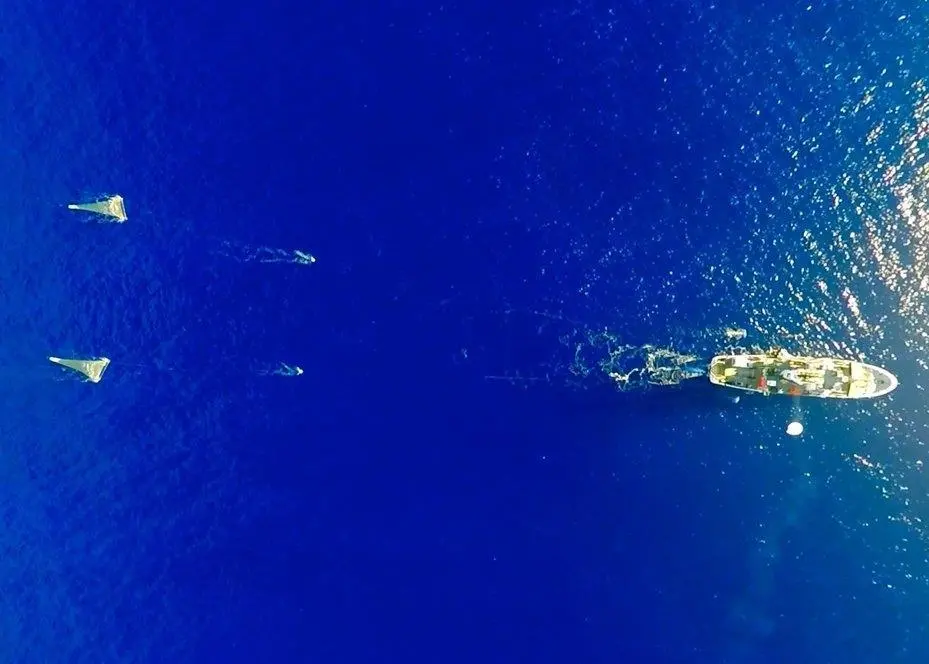
A fleet of close to 30 vessels was used for the ‘Mega Expedition’. Using a series of measurement techniques including trawls and aerial surveys, the fleet sampled the concentration of plastic during its voyage through the Great Pacific Garbage Patch.
“I’ve studied plastic in all the world’s oceans, but never seen any area as polluted as the Great Pacific Garbage Patch,” said Dr Julia Reisser, lead oceanographer, The Ocean Cleanup. “With every trawl we completed, thousands of miles from land, we just found lots and lots of plastic.”
The main goal of the ‘Mega Expedition’ was to accurately determine how much plastic is floating in the Great Pacific Garbage Patch, by executing the largest ocean research expedition in history. This was also the first time large pieces of plastic, such as ghost nets and Japanese tsunami debris, have been quantified.
Although the samples collected during the expedition are yet to analysed, preliminary findings indicate a higher-than-expected volume of large plastic objects floating in the ocean.
“The vast majority of the plastic in the garbage patch is currently locked up in large pieces of debris, but UV light is breaking it down into much more dangerous microplastics, vastly increasing the amount of microplastics over the next few decades if we don’t clean it up. It really is a ticking time bomb,” added Boyan Slat, CEO and founder.
Related Articles
 FISHERIES
 FISHERIES
 WORLD FISHING EVENTS