






Ocean acidification may increase 170% this century
A new international report has concluded that the acidity of the world’s ocean may increase by around 170% by the end of the century, bringing significant economic losses.
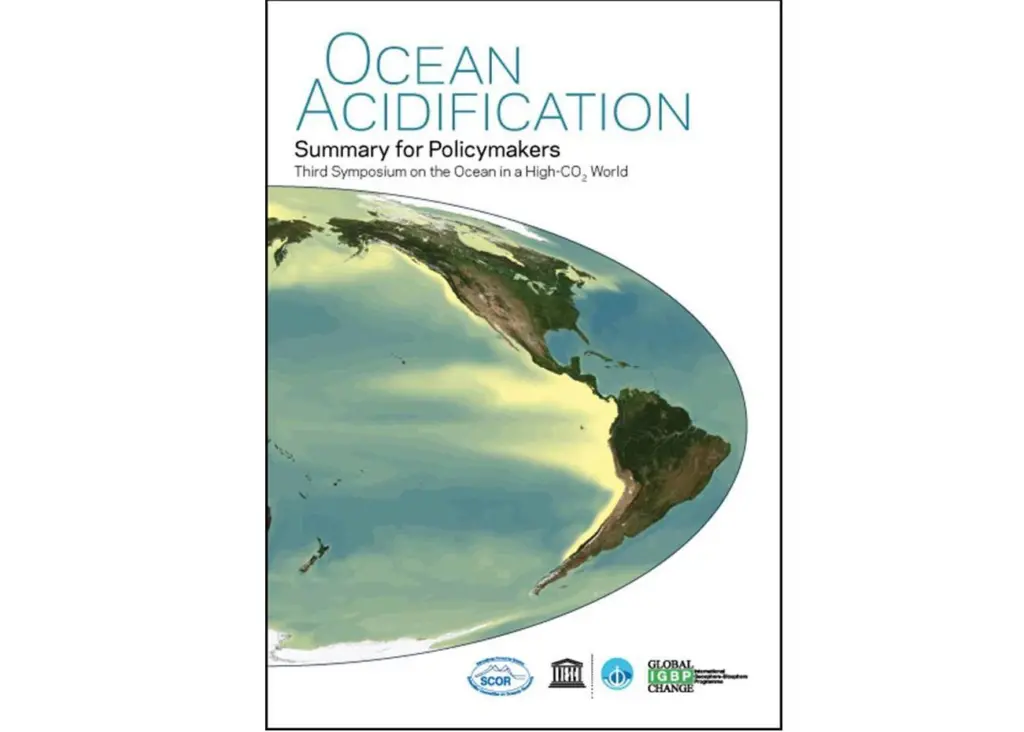
Experts conclude that marine ecosystems and biodiversity are likely to change as a result of ocean acidification, with far-reaching consequences for society. Economic losses from declines in shellfish aquaculture and the degradation of tropical coral reefs may be substantial, owing to the sensitivity of molluscs and corals to ocean acidification.
The summary was led by the International Geosphere-Biosphere Programme and results from the world’s largest gathering of experts on ocean acidification ever convened, the Third Symposium on the Ocean in a High CO2 World.
The experts say that while emission reductions may protect some reefs and marine organisms, the ocean is subject to many other stresses such as warming, deoxygenation, pollution and overfishing.
“Reducing other stressors such as pollution and overfishing, and the introduction of large scale marine protected areas, may help build some resilience to ocean acidification”, said author Wendy Broadgate, deputy director at the International Geosphere-Biosphere Programme.
The summary will be launched at the UNFCCC climate negotiations in Warsaw, 18 November, for the benefit of policymakers.
Related Articles
 FISHERIES
 FISHERIES
 WORLD FISHING EVENTS