


A new research project by Norway’s food research institute, Nofima, is investigating the possibilities for increased export of Norwegian salmon to South Africa.
The project is being conducted because South Africa is a country experiencing rapid growth, there are a growing number of consumers, making it an attractive prospect for the Norwegian seafood market.
Finn-Arne Egeness, scientist, Nofima told World Fishing & Aquaculture: "To survive and prosper the Norwegian salmon industry needs to develop both new and existing markets. South-Africa is today the biggest and most valuable market for Norwegian Salmon in Africa."
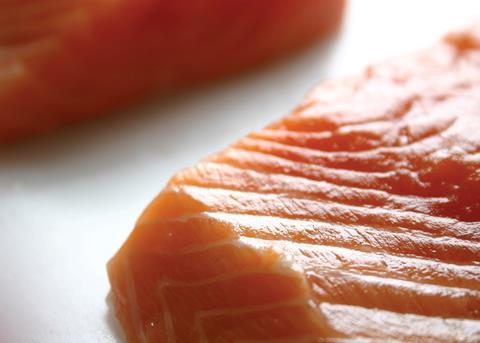
"Salmon are used in many different ways, such as sushi, smoking, for barbecue, etc, so we think there is a further growth potential. Further market knowledge means that the Norwegian salmon industry can take their market decisions on a broader basis."
Nofima’s project aims to obtain reliable and industry relevant knowledge about the South African market by analysing international trade statistics and mapping central value chains for fresh and frozen salmon in the country. This should lead to identifying new marketing opportunities.
Altogether, Norwegian companies exported 3,000 tonnes of fresh Norwegian salmon to South Africa in 2012 – twice the figure for 2011 and six times the figure for 2006. A further 1000 tonnes of frozen salmon was exported to the country in 2012, considerably higher than previous years.
The Norwegian Seafood Council has identified that most of this salmon is bound for restaurants with a pronounced trend for sushi. This will be investigated further during Nofima’s study.
The challenge to further break into the new market will be that consumption of seafood in South Africa is still relatively low.
But Nofima said that experience has shown that the consumption of seafood increases with income putting the Gauteng province and Cape Town top of the hit list for Norwegian salmon exports.
Although the project is being lead by Nofima, The University of Stavanger in Norway and the University of the Western Cape in South Africa are also involved.