


Although Norway is probably best known in the aquaculture industry for pioneering the farming of Atlantic salmon, Norwegian technology suppliers have, during the past decade, become more and more involved with warm-water aquaculture.
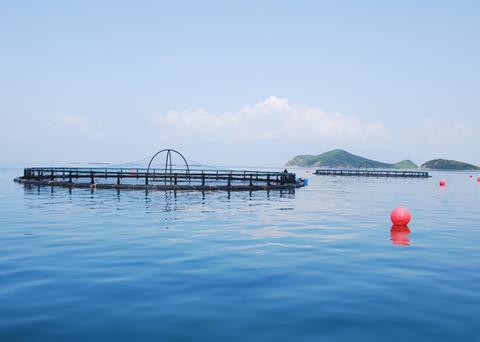
They have delivered equipment and services to a number of tropical or sub-tropical fish farming operations, for example the farming of tilapia in Malaysia and cobia in Vietnam.
As well as salmon, Norway has been leading the way in farming other cold water marine species such as halibut, turbot, cod and wolfish.
This expertise has been reflected in the number of people who attended Aqua Nor 2015, the world’s largest aquaculture exhibition, which was held in the mid-Norwegian city of Trondheim during the summer.
“The salmon industry is going well in Norway, and a lot of countries with aquaculture ambitions are now looking to Norway for ideas,” said the show’s communications director, Erik Hempel.
“This is an important reason why we managed to attract so many visitors this year. Over one third of the world’s nations were present at Aqua Nor 2015, and that really shows that Norwegian aquaculture has been put on the map all over the world.”
Recognising that visitors to Aqua Nor want to be updated professionally i.e. listen to presentations and attend seminars etc, the Nor-Fishing Foundation, which organises the exhibition, put on a special seminar ‘Is Norwegian aquaculture technology relevant to other countries and other species?’.
The seminar was so overbooked that it was filmed and can be viewed at www.aqua-nor.no.
Overseas interest
It is important that Norway continues to attract overseas interest in its aquaculture technology if that industry is to continue to grow. The aquaculture industry in Norway itself has stopped growing in terms of the number of companies involved so needs to look further afield.
The Nor-Fishing Foundation is therefore carrying out a number of initiatives to increase foreign visitors to Aqua Nor so that they can see what Norway has to offer.
For example, in 2014 the Foundation introduced its Travel Stipend to be awarded to a person from a developing nation to visit Trondheim during the exhibition. “This has created attention from around the world,” Mr Hempel said, “and in 2015 dozens of applications were received.
“We are looking for someone who has some experience in aquaculture development and has a position in which he/she can tell others about the experience.”
Technological innovation at the exhibition is recognised and rewarded by The Nor-Fishing Foundation Innovation Award, which in 2015 was won by Stranda Prolog with its barge-based salmon hospital, tailor-made to fight salmon lice in an environmentally friendly way.
The last day of the exhibition was dedicated to the industry’s future: the students of aquaculture. A special conference and a speed dating event brought exhibitors and over 200 students together.
The Nor-Fishing Foundation is now thinking ahead to the next Aqua Nor to be held in Trondheim in 2017. One region where the Foundation sees potential growth for future aquaculture development is East Africa (Uganda, Tanzania and Kenya) and it is already involved in attempting to attract visitors from countries there.
Other regions of the world such as South East Asia, China and South America are also being considered.