



A new report on gender equality in Norway’s fisheries concludes that if the proportion of women in fisheries is to increase, culture and attitudes must change.
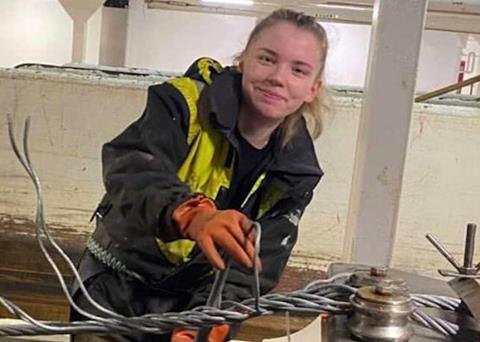
Nofima’s ‘Better gender equality in fisheries’ report found three reasons that individually and collectively result in low participation of female 'fishermen'. These are a male-dominated and at times rough culture; greater challenges for women than men in combining the profession with responsibility for children; and women’s own career choices.
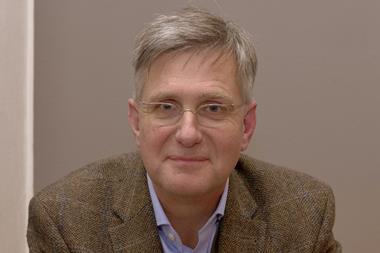
“Parts of the fisheries are characterised by too much of a tough male culture, and this is something that makes recruiting and retaining women difficult. This is one of my most important conclusions," said researcher Edgar Henriksen, who prepared the report with colleague, Thomas Nyrud.
What improvements can be made?
The researchers did not found formal barriers to women entering the industry. This suggests that there have been, and are obstacles in the way of real gender equality, stressed the report.
It provides several suggestions regarding specific improvements. The profession can be highlighted as an alternative for girls in upper secondary education, and it proposes that positive special treatment should be considered when allocating apprenticeship quotas.
More women should be encouraged and educated so they are qualified to take over the family fishing business. An offer of leadership training should be considered in which one of the elements should be the management of stereotypical attitudes and ‘macho culture’.
Financial support for running women’s networks and promoting good role models should also be considered, both in terms of fishing companies with female fishermen and women in the fishing industry.
The report also points to the absence of female perspectives in relevant public documents.
Nofima’s report was commissioned by the Ministry of Trade, Industry and Fisheries, following the Norwegian Parliament’s request for the Government to develop a strategy for better gender equality in fisheries.