A Nofima research programme, ‘Market-based harvesting strategies’, has found that most of Norway’s coastal fleet’s cod quota is caught in the first half of the year, providing fishermen with a good annual salary.
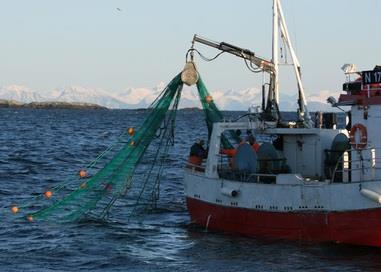
As a result, there is generally a low level of interest in the fleet’s quotas for species such as haddock and saithe, and large quotas for these species are transferred annually to the deep-sea fishing fleet.
One of the projects in the programme involved studying the coastal fleet’s catch behaviour, and looking at how this influenced the next link in the value chain. The scientists have ascertained that fishing for cod is the coastal fleet’s top priority, largely because of the good prices the industry pays for it.
“However, we are now seeing that fishing for haddock and saithe is becoming a significant part of the income base for some coastal fishing vessels,” says scientist Edgar Henriksen, who was responsible for this study.
Despite this, large quotas of haddock and saithe remain, and these are transferred to deep-sea fishing fleet. As a result, the Norwegian industry has little benefit from these catches as they are frozen and exported.
“The Norwegian fishing industry appears to be mostly interested in fresh fish of high quality, preferably hook-caught fish,” says Mr Henriksen.
Nofima says that in the years ahead, attention should focus on the long-term effect of increased onboard freezing in the deep-sea fishing fleet, in particular with a view to countering any undesired effects for the fishing industry’s supply situation if haddock stocks in particular, and consequently the quotas, are reduced from today’s level.
“Another effect is that the deep-sea fishing fleet lose part of its income base,” the scientist concludes.
·