



Confirmation of MSC Fisheries Standard certification for Northeastern Tropical Pacific purse seine yellowfin & skipjack tuna fishery has been made.
The decision follows an objection from the World Wildlife Fund (WWF), who said that impacts of the fishery on depleted dolphin populations have not been sufficiently examined and addressed.
Brian Perkins, MSC regional director - Americas, said: "Decisions are made based on science and evidence, and in a highly consultative manner. In reaching its conclusion that this fishery should be certified, the assessment team took full consideration of the impacts this fishery has on the entire ecosystem, including dolphin populations.”
Sustainability action plan created
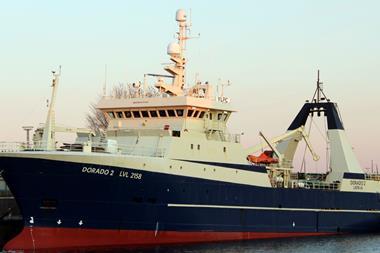
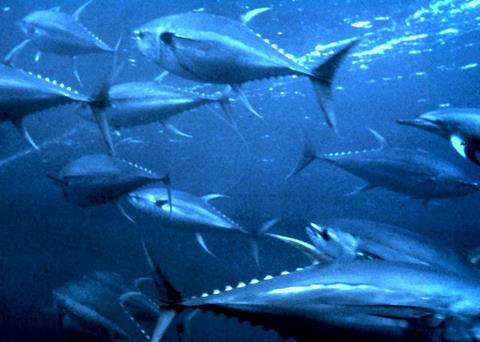
The fishery, operated by the Pacific Alliance of Sustainable Tuna (PAST), includes 36 purse seine vessels fishing for yellowfin and skipjack with both free-school and dolphin associated sets.
PAST has committed to a sustainability action plan, which includes: dolphin protection measures including investments in net alignment and training in best practices across the fleet; significant financial investment in an international research program to assess dolphin populations in the Eastern Tropical Pacific Ocean; zero retention and maximum live release program for all sharks and rays; and active stakeholder engagement in building more transparency in fisheries in Mexico.
WWF: "deeply troubling outcome"
“This is a deeply troubling outcome that we believe shows that the MSC standard is not consistently being adhered to by certifiers and that the objections procedure provides insufficient opportunity for consideration of the scientific basis for certifiers’ conclusions,” said Franck Hollander, seafood officer for WWF-Germany and the global team lead for WWF on this issue.
He added: “While WWF continues to support the MSC as the world’s leading wild-caught sustainable seafood certification program, it remains our opinion that the Northeastern Tropical Pacific purse seine tuna fishery does not meet the MSC standard. Depleted dolphin populations that frequently associate with commercially-targeted schools of tuna in the Eastern Pacific could be negatively impacted by this fishery. WWF believes the existing science does not support the conclusions made in the assessment.”
WWF said it recommends that seafood buyers should not consider this fishery as sustainable.