




Scientists at Nofima are testing new catch handling methods that can increase the value of the raw material from the trawler fleet, to equal the best fish caught by autoline.
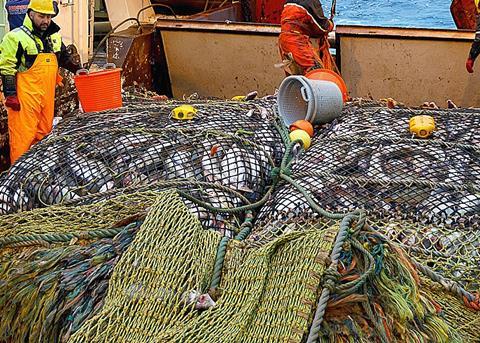
One method is keeping the fish alive after being caught, which is known as capture-based aquaculture
Fish caught by trawling is normally subjected to rough handling when the trawl net is pulled from the sea up onto the fishing boat. This can lead to reduced quality, including the fillet getting a touch of pink. In the case of larger catches, the fish has often been dead for many hours before it is gutted, which leads to large amounts of blood remaining in the fillet. If the fish is pumped onboard, the handling process will be gentler.
“Provisional findings show that it is possible to keep fish caught by trawling alive and that the quality is improved significantly by using new and improved production lines, not unlike those we find at salmon processing plants,” says senior scientist Kjell Midling.
“We have observed that the blood disappears from the fillet if the fish is kept alive and slaughtered after 5-6 hours. The fillet that is produced goes from pink to white.”
The scientists are participating in experiments on both research vessels and commercial trawlers, combined with controlled studies in a new experimental swim tunnel.
For the time being the focus has been on the physiological effect the capture process has on cod, haddock and saithe, but the scientists are now planning technology trials involving pumping and modern slaughtering onboard the vessels.







