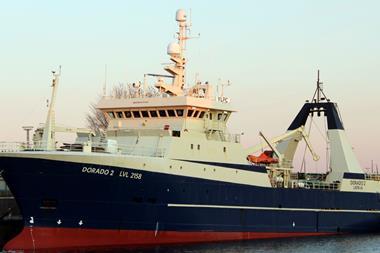
The research vessel Nancy Foster of the National Oceanic and Atmospheric Administration (NOAA), an agency of the US Department of Commerce, has begun working off the coasts of Louisiana, Mississippi and Alabama to study the effects of Hurricane Katrina on marine resources and the ecosystem.
Biologists have also been taking water samples and looking at sediments in the Mississippi river. They will test fish and shrimp for evidence of toxic contamination and pathogens that might affect human health.
"I've asked our fisheries scientists to work with other NOAA scientists on a major research cruise in the areas affected by Hurricane Katrina," said Dr. Bill Hogarth, NOAA Fisheries Service Director. "NOAA is implementing a suite of studies and tests to determine the effects of the hurricane on fish, marine mammals, sea turtles and the ecosystem they depend on for survival."
U.S. Commerce Secretary Carlos Gutierrez late last week announced a formal determination of a fishery failure in the Gulf of Mexico due to the devastation following Hurricane Katrina. The affected area includes the Florida Keys and from Pensacola, Fl, to the Texas border.
Federal funds will cover the impacts and studies about restoring the fisheries, strategies to prevent future failure. Federal funds can also be released to assist fishing communities' recovery efforts after a natural disaster, and there is an Inter-jurisdictional Act, which makes funds available for direct assistance to fishermen to alleviate harm resulting from a natural disaster.
NOAA is working with the states to assess damage to the 15 major fishing ports and the 177 seafood-processing facilities in Alabama, Mississippi and Louisiana.
"Our goals, and those of the fisheries directors of the affected states, are to determine the effects of the hurricane on the area's fish and shellfish, as well as the long-term impacts these might have on the commercial fishing industry," Hogarth added.
"We will also be taking a look at the effects of Hurricane Katrina on inventories of fish processors, dealers and individual fishing related businesses."
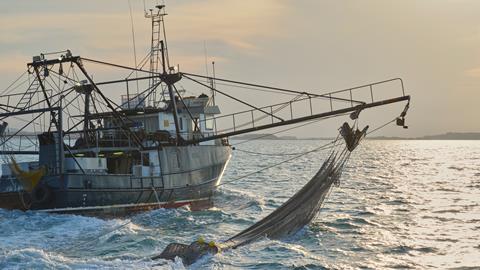
NOAA has also chartered the shrimp-fishing vessel Patricia Jean from Alabama to assist with sampling for evidence of toxic contamination and pathogens. NOAA biologists also are conducting overflights to look for marine mammals and sea turtles, and to assess the damage to wetlands.