




NOAA’s Fisheries Service is proposing several measures to end overfishing and rebuild blacknose sharks and other shark populations.
Nine public hearings will be held on the proposal, from New England to the Gulf of Mexico, in August and September.
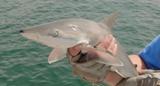
“Our latest stock assessment found that the blacknose shark is depleted and the rate of fishing, both directed and incidental, is unsustainable,” said Jim Balsiger, acting NOAA assistant administrator for NOAA's Fisheries Service. “Blacknose sharks are vulnerable because they bear few young. The proposed measures will help rebuild the species, an important part of the ecosystem in the south Atlantic, Gulf of Mexico and the Caribbean Sea.”
The stock assessment determined that reducing the annual mortality of blacknose sharks by approximately 78 per cent across all fisheries could result in rebuilding by 2027. To rebuild the blacknose shark population - named for the dusky blotch on the tip of their noses - NOAA proposes creating a separate blacknose shark quota. Until now, landings of blacknose sharks have been counted against the small coastal shark complex quota. The proposed annual quota would be 6,065 blacknose sharks, or 14.9 metric tons dressed weight (shark weight without head, guts and fins). An average of 27,484 blacknose sharks, or 62 metric tons dressed weight, were landed each year from 1999-2005. The separate quota is needed because this species is the only small coastal shark that has been determined to be fished at an unsustainable rate and have a depleted population.
In addition, the agency proposes that only commercial fishermen with a directed permit would be allowed to land blacknose sharks until the quota is reached. Commercial fishermen with an incidental shark permit and recreational fishermen would not be allowed to land blacknose sharks.
To help rebuild the blacknose population, NOAA's Fisheries Service is also proposing to prohibit the landing of all Atlantic sharks with gillnet gear - the primary way blacknose sharks are caught - from South Carolina south, including the Gulf of Mexico and the Caribbean Sea. This gillnet fishery targets small coastal sharks, including blacknose.
While blacknose sharks are the only small coastal shark that needs management updates to be rebuilt, because they are frequently caught with other small coastal sharks, there is also a proposed annual quota for the non-blacknose small coastal sharks, including finetooth, Atlantic sharpnose, and bonnethead sharks. The proposed quota would be significantly reduced from the current 454 metric tons dressed weight quota to 56.9 metric tons dressed weight. The proposed quotas for blacknose and the non-blacknose small coastal sharks represent an overall 76 per cent reduction in landings by weight of small coastal sharks.
The proposal also would add smooth dogfish to the species managed by the NOAA's Fisheries Service requiring a federal fishing permit and proposes an annual commercial quota of 645.8 metric tons dressed weight.
In addition, the proposal promotes the live release of shortfin mako sharks by commercial and recreational fishermen to help rebuild the species population in the Atlantic Ocean.