


NOAA has announced a total of US$2.7 million in grants to support 14 projects aimed at addressing the harmful effects of marine debris on wildlife, navigation safety, economic activity, and ecosystem health.
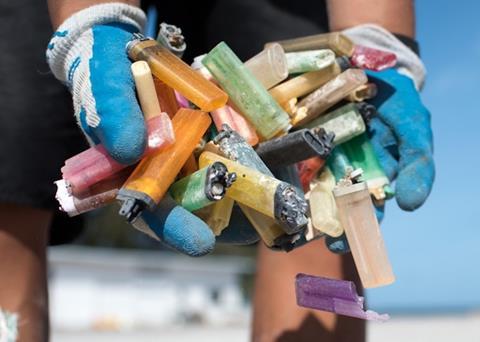
With the addition of non-federal matching contributions, the total investment in these projects is more than US$5.2 million. The grants, selected competitively from 82 community-based proposals, are spread across ten US states and territories and two federally recognised tribes.
“Marine debris removal and research efforts have both immediate and long-term benefits for local communities, regional interests, and the blue economy,” said retired Navy Rear Adm. Tim Gallaudet, assistant secretary of commerce for oceans and atmosphere and deputy NOAA administrator. “Marine debris is a pervasive national and global challenge, and NOAA is proud to support these projects to protect and better understand the impact of marine debris on our coastal habitats, waterways and wildlife.”
Among the projects selected are the removal of 30,000 pounds of debris from shoreline and beach habitat in St. Paul Island, Alaska, the removal of 441,000 pounds of debris at two critical salt marsh sites in the New York City borough of Queens, and research by Rutgers University in New Jersey to study how microplastics move from rivers to the ocean, and how they may enter the food chain.
Approximately US$1.5 million in grants will support ten community-driven removal projects in Alaska, the Aleut Community of St. Paul Island, California, Guam, Louisiana, New York, North Carolina, the Swinomish Indian Tribal Community in Washington and the US Virgin Islands whilst approximately US$1.2 million will go to support four marine debris research projects in California, Delaware, New Jersey and Virginia.