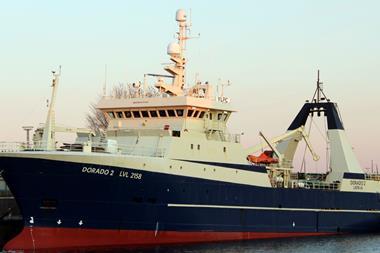
The Independent Adjudicator has made his final ruling on the Echebastar Indian Ocean tuna fishery case and has concluded that the fishery will not be certified to the Marine Stewardship Council (MSC) standard.
- News
- Subscribe
- Industry Database
- Events
Icelandic Fisheries Exhibition
IceFish Conferences


The largest commercial fishing exhibition in the North. Co-located with the Icelandic Fisheries Exhibition, the IceFish Conferences bring the seafood sector together for three days of insight, innovation and connection. Visit the IceFish Website Visit IceFish Conferences
- Special Reports
By-Product Solutions
Smart, Connected Seafood Processing
Land-Based Aquaculture Technology
Greener Fishing
January-February 2026 March-April 2025 July-August 2025 November-December 2025 



Cutting waste and maximising value Robotics, analytics software and other Industry 4.0 technologies are helping to scale-up productivity New production systems are escalating the industry’s contribution to global food security Fisheries are becoming increasingly responsible and sustainable thanks to new technologies and initiatives Read More Read More Read More Read More