



The latest research into stock populations in European waters has shown that catch share is significantly out of kilter relative to actual fish distributions.
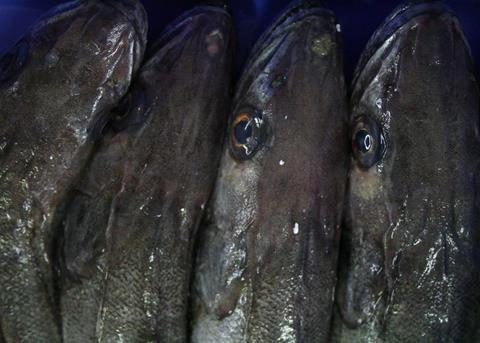
Fish quotas are based on data from almost 50 years ago and have failed to keep up with moving populations as a result of warming oceans and recovery from overfishing. In the North Sea, for example, the UK is allocated less than 1% of the total hake catch, yet more than 28% of the population are in UK waters.
Professor Paul Fernandes, a fisheries scientist at University of Aberdeen’s School of Biological Sciences, who led the study, said, “It is no wonder that the UK fleet has such a massive discard problem in the North Sea. The population of hake increased five-fold in the last decade, and much of it is now in the North Sea.”
Similar, although less severe, discrepancies exist for other species such as cod, haddock, whiting, saithe, plaice, herring and monkfish. The study, published in the journal Conservation Letters, advocates a system where quota shares are allocated based on the actual distributions of fish rather than historical data. In the article, Professor Fernandes proposes a new formula for zonal attachment, which considers both adults and juveniles, and accounts for fish moving between areas.
“I never thought that the European Union would reconsider quota allocations, in spite of the overwhelming evidence of changing fish patterns, because it’s very contentious. However, with the UK becoming an independent coastal state, there is an opportunity to do something more sensible,” he said.