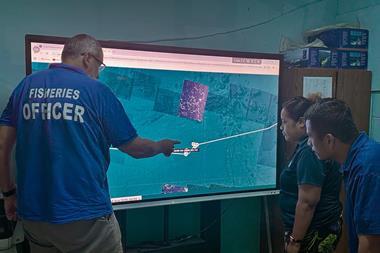




Electronic monitoring systems on board fishing vessels are the most reliable source of data for developing selective fishing practices and ensuring compliance, concludes a study coordinated by The Nature Conservancy.

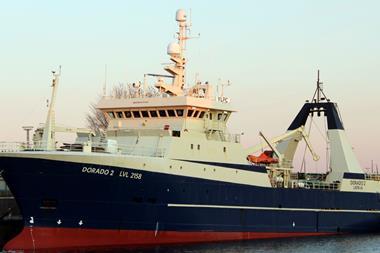
The study, conducted on 15 tuna longline fishing vessels carrying Satlink’s SeaTube EMS in the exclusive economic zones of Palau, the Federated States of Micronesia and the Republic of Marshalls Islands, found a marked difference between records when EMS was used instead of traditional logbooks, concluding that data from the former was more accurate and verifiable.
Catches of yellowfin tuna in Palau waters recorded by EMS were 30% higher than those recorded manually whilst shark bycatch numbers were almost eight times higher. Data from EMS also identified a greater variety of species in each haul, between eight and ten compared to five to eight in the logbooks.
The authors suggest that widespread use of EMS could provide more reliable data on which to base more precise measures for sustainable resource management.
The authors also stress the value of these systems in improving the management of fisheries that have low human observer coverage.