





Research carried out on early mortality syndrome (EMS) at a Malaysian shrimp farm in Malaysia has revealed that the disease is triggered in ponds with a pH of 8.5 or higher.
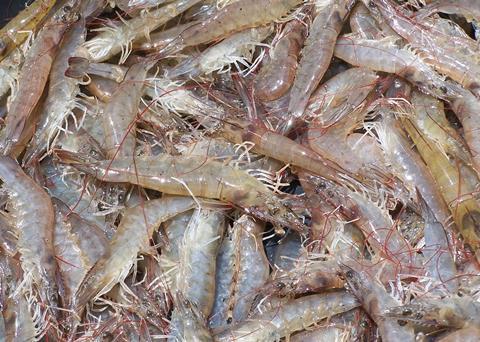
The research was carried out at Agrobest Sdn Bhd farm in Pahang, Malaysia, which produces Pacific white shrimp and black tiger shrimp in 461 plastic lined ponds.
EMS, more technically known as Acute Hepatopancreatic Necrosis Syndrome (AHPNS), has had a significant impact on shrimp production in Southeast Asia, according to the Global Aquaculture Alliance (GAA).
The disease first appeared at the farm in early January 2011 in five ponds stocked with post larvae. Within two months, it had spread throughout the farm – typical mortality in the affected ponds was 70% to 80%, with all ages and sizes of shrimp affected.
A review of water quality data from approximately 80 affected and unaffected ponds stocked during the same month indicated several differences in water quality that were correlated with outbreaks.
Aquarium trials with controlled levels were also carried out. These tests confirmed the disease repeatedly regressed at lower pH (around 7) and manifested at higher pH (8.5 to 8.8).
The research will be featured in the GAA’s upcoming July-August edition of the Global Aquaculture Advocate and EMS will be among the topics that will be addressed at GAA’s GOAL 2013 Conference in Paris from 7 to 10 October 2013.