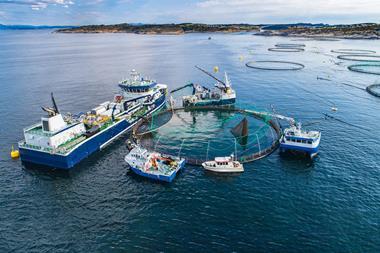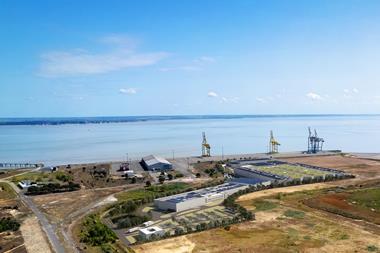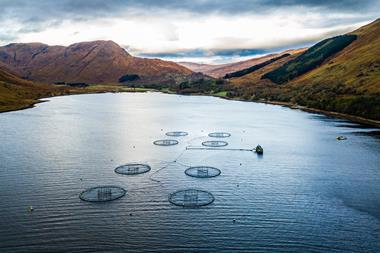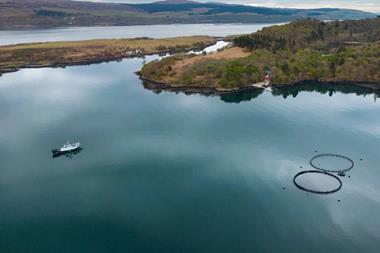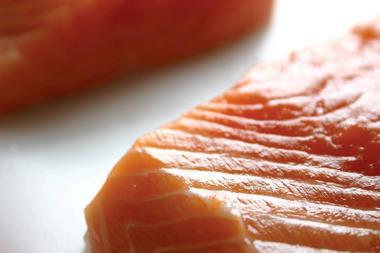




Faroese aquaculture group Bakkafrost has announced ambitious plans for increase its output of its premium salmon by more than 40% over the next five years, with a significant investment programme in Scotland, incorporating innovative RAS technology.
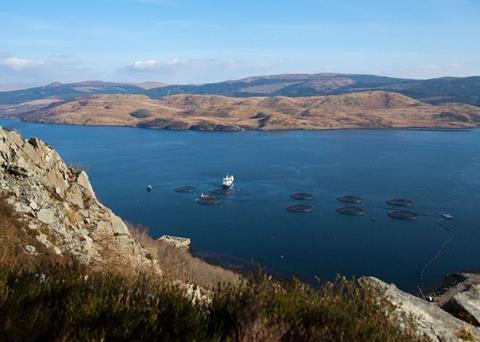
“The conventional salmon farming industry is operating close to capacity. As a result, the industry is committing significant resources to the development of alternative farming methods on and offshore,” a company representative stated.
“Common for these projects is far higher capital requirements compared to conventional salmon farming. Consequently, high margin assumptions are required to obtain a satisfactory return.”
According to the company. Bakkafrost’s value chain is well prepared to bolt on such projects once its conventional capacity is depleted and proven technology becomes available.
Bakkafrost intends to invest DKK 6.2 billion between 2022 and 2026 and to generate this growth through a combination of using idle licence capacity and higher utilisation of existing licences by using large smolt.
Measures and investments to improve the biological performance and cost structure in of its Scottish operations have also been announced.
According to the company, a more robust framework for seawater risk mitigation combined with a shorter seawater cycle is expected to become a game changer for biological performance and result in significant sustainable growth.
The company states that implementation of the investment plan will be transformational for its Scottish operations and aims to become the most sustainable and profitable in the Scotland, where it has underperformed in the past. Bakkafrost is collaborating with the Scottish authorities in developing its investment plan in Scotland.
Additional plans are to invest in processing facilities improving efficiency, productivity and quality and with a focus to enhance capabilities supporting Bakkafrost’s overall brand strategy and to better meet the needs of the retail market.
Bakkafrost plans to continue the development of its efficient and well invested value chain in the Faroes, aimed at maintaining its strong biological track records and to facilitate planned growth during the next five years and beyond.
The investment plan is expected to be financed through a combination of operational cash flow and available funding – and Bakkafrost remains committed to maintaining its sustainable dividend practice.