


Fishing gains fuelled by capelin
One of Iceland’s largest seafood companies reported fishing gains of 19,000 tonnes in 2021
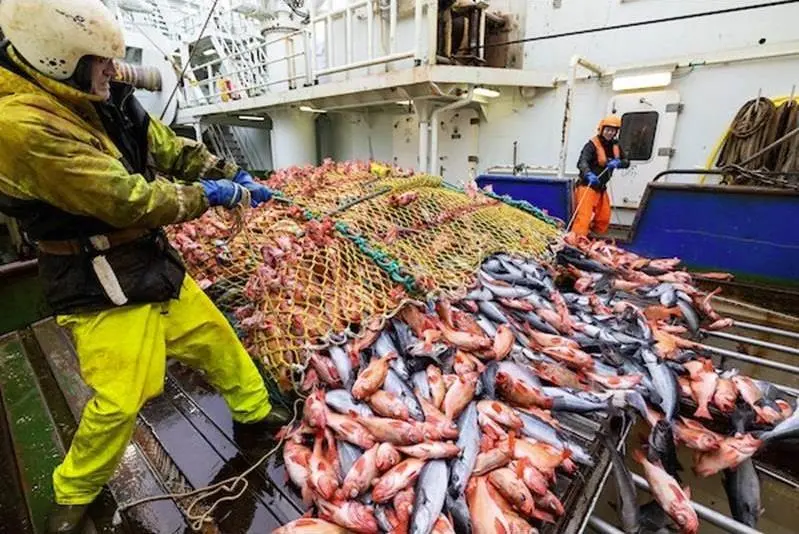
Brim’s fleet landed a total of 147,000 tonnes in 2021,19,000 tonnes more than the the previous year with 2022 already off to a promising start.
The increase is largely due to the fact that a capelin quota was issued in 2021 following a capelin ban having taken place two years before. But despite the capelin catch being up, catches of blue whiting and mackerel decreased.
”The new year looks promising. Fishing is good, as long as you’re in the right spot and the weather hasn’t troubled us. There’s been the occasional storm, as you can expect at this time of year, but in between, fishing has been fine,’ said Jóhannes Ellert Eiríksson, skipper of Brim’s fresher trawler Viðey.
Good outlook
Viðey was the Icelandic fleet’s top catcher last year with a green weight catch of around 10,300 tonnes.
The total catch value of the company’s vessels was ISK 19,965 million in the year 2021, increasing by ISK 1,916 million between years.
Pelagic vessel catch was about 96 thousand tonnes, increasing by 14 thousand tonnes between years. In August 2021, the company acquired its third pelagic vessel to keep up with the increase, Svanur RE.
Across the fleet, the freezer trawler catch was about 25 thousand tonnes, which is about two thousand tonnes less than in 2020. Brim’s vessel, Höfrungur III AK was sold in September 2021 to meet the contraction in the allocation of demersal fish quotas for cod and redfish.
The catch of icefish vessels was about 26 thousand tonnes, which is about six thousand tonnes more than in 2020. Brim said that this increase in catch is explained by more endurance and better fishing.
But it can also be partly explained by the company’s fish factory at Norðurgarður being closed for about three months in 2020 due to the renewal and repair of processing equipment.