




Accelerating bycatch action
A new global initiative will mobilise major retailers to reduce the bycatch of sharks, marine mammals and seabirds
Three of the world’s leading environment charities – Sustainable Fisheries Partnership (SFP), Birdlife International and Whale and Dolphin Conservation, have entered into a partnership to protect marine wildlife from the harm of bycatch capture in commercial fisheries.
“Retailers and major seafood buyers can have a huge impact on protecting ocean wildlife through actions in their global supply chains,” said Kathryn Novak, global markets director at Sustainable Fisheries Partnership.
“There are many proven best practices and new, innovative technologies to address bycatch issues in commercial fisheries that just need to be adopted at scale.”
Proactive
The partnership will work directly with major retailers, brands and food service companies to identify threats to endangered, threatened and protected (ETP) species in the fisheries that supply their seafood, through systematic bycatch audits.
These audits will provide companies the information needed to identify and prioritise actions to take in their seafood supply chains to reduce bycatch.
Key findings of the audits will be publicly available on the Ocean Disclosure Project, the leading seafood transparency platform.
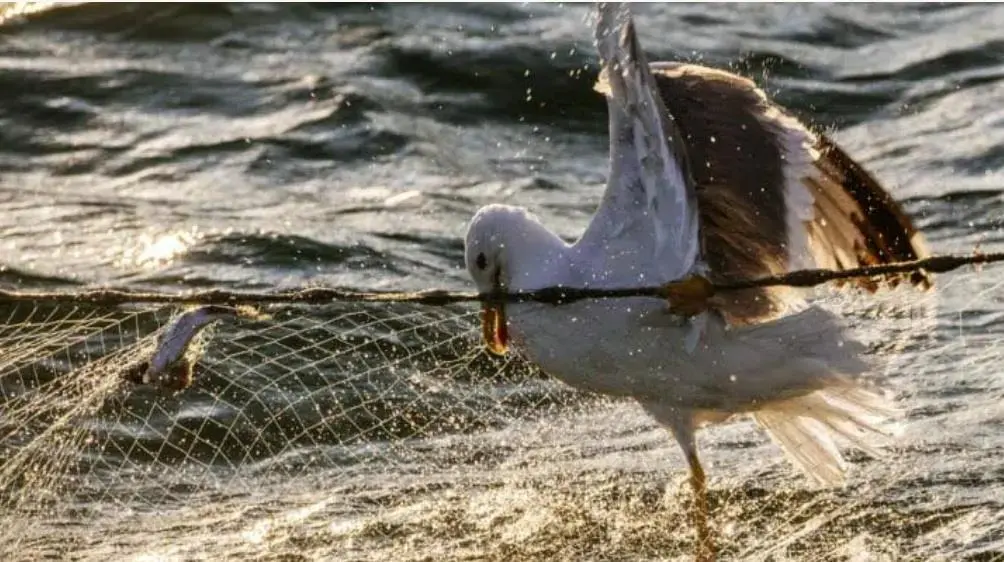
Bycatch, the catch of non-target species, is one of the most significant issues affecting the biological sustainability of marine fisheries. Sharks, seabirds, marine mammals and sea turtles are at high risk of capture and harm in commercial fisheries.
Many of these species are distributed across large geographic areas and overlap many fisheries. Many also have life-history characteristics that make them vulnerable to fishing-related mortality, such as slow growth, long reproductive cycles and production of small numbers of offspring.
In 2020, Asda became the first retailer in the world to conduct a bycatch-directed audit of its seafood supply chain. The audit identified serious risks to sharks, seabirds, sea turtles and marine mammals from several of its source fisheries and recommended actions, including changing fishing equipment or techniques, avoiding certain baits and increasing observer coverage on fishing vessels.
Last year, the retailer announced new bycatch commitments, particularly in tuna longline fisheries, including strict requirements on catch technology and best practices in bycatch mitigation, observer coverage on fishing vessels and treatment of sharks.
The first bycatch audit by a US retailer, in addition to audits by a major global supplier and other American and British retailers are expected later this year.