



New species found off New Zealand
NIWA research scientists have returned from a two week survey to the north of New Zealand, near the Kermadec Islands, with evidence of new species of fish.
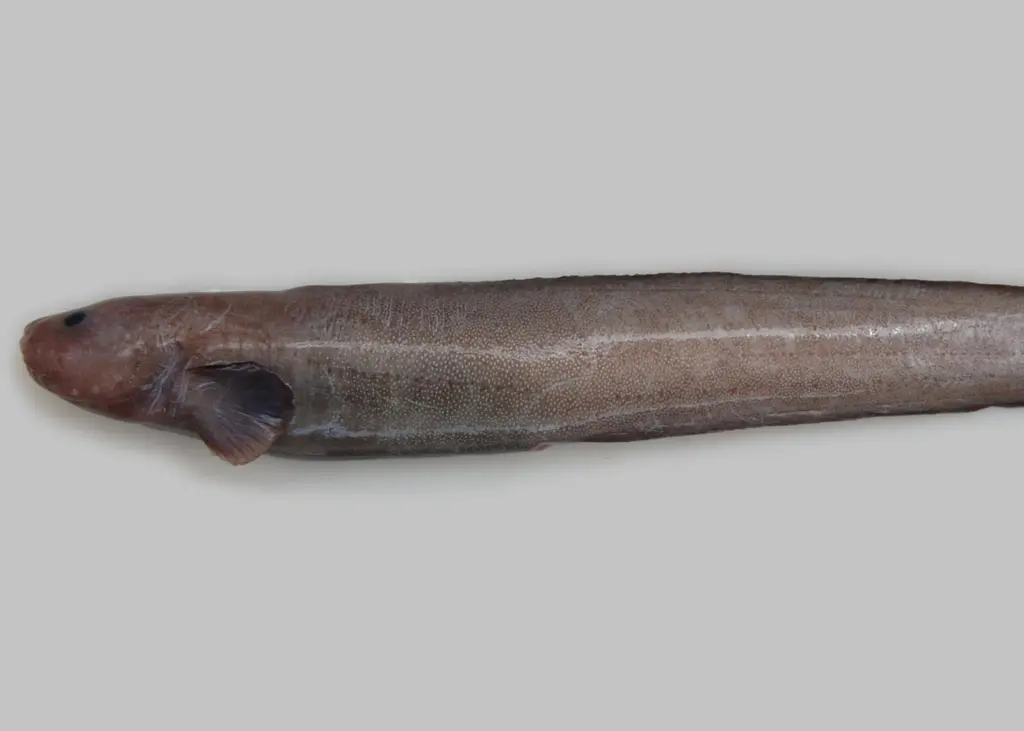
The scientists discovered new species of eelpout and identified a rattail fish that hasn’t previously been caught in the southwest Pacific, another rattail that hasn’t been caught in New Zealand waters for over 100 years and a large deep sea cusk eel.
The survey was completed onboard the vessel RV Kaharoa and was conducted by scientists from the University of Aberdeen, NIWA, and Te Papa. They used landers, with cameras attached that free-fall to the seafloor, as well as baited fish traps to attract animals to conduct their studies.
The voyage covered sampling depths between one and six kilometres along the edge of the Kermadec Trench – which is one of the deepest places on earth with depths exceeding 10 kilometres.
Dr Malcolm Clark, NIWA Principal Scientist, said: “The results from this deep exploration are giving us a much better understanding of biodiversity in the deep sea around New Zealand, and enable us to better assess potential risks to the ecosystem from future climate change and even human activities which may include seabed mining.”
Funding for the voyage was primarily from the Marine Alliance for Science & Technology for Scotland (MASTS), and the study was supported by NIWA’s Deep-sea Communities project funded by the Ministry of Business, Innovation and Employment (MBIE).
Related Articles
 FISHERIES
 FISHERIES
 WORLD FISHING EVENTS