




New project to replace oil-based plastics
A collaborative project has launched aimed at developing and producing new bio-based thermoplastic composite materials in an effort to reduce ecological impact on the marine environment.
The SeaBioComp project held a kick-off meeting in Lille in April bringing together all 11 partners from the 2 Seas region which covers the coastal regions along the southern North Sea and the Channel area and includes four EU-member states – England, France, the Netherlands and Belgium.
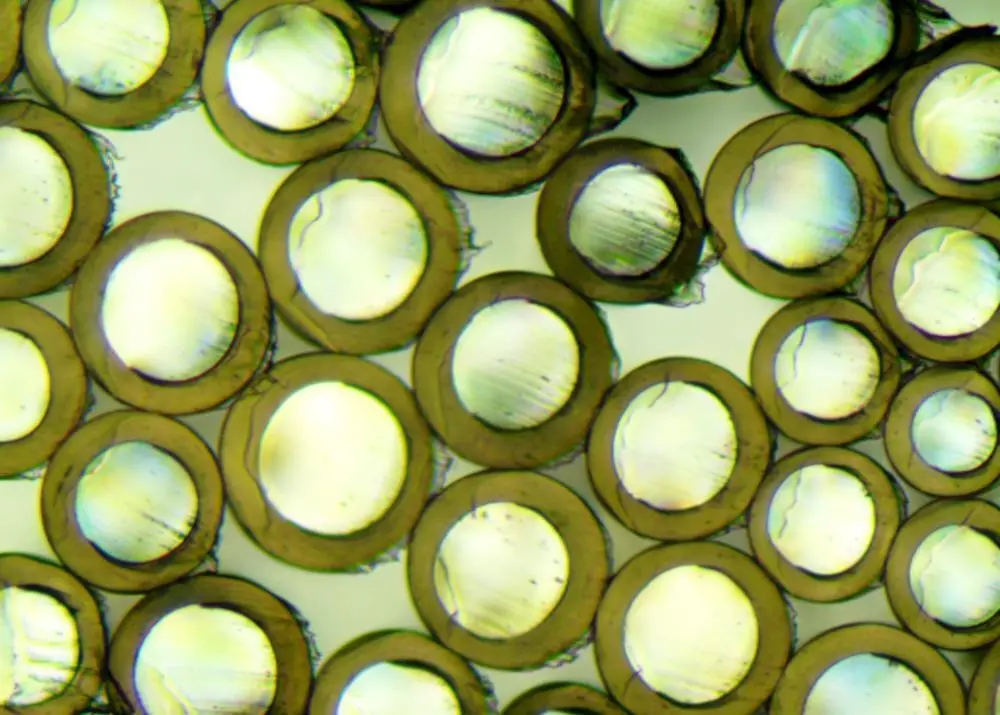
The €4.1M project runs from March 2019 to August 2022 and will develop ‘demonstrator’ bio-based composite alternatives with the aim of replacing traditional fibre-reinforced composites commonly used in the marine industries. Traditional oil-based products such as fishing and seaweed farming components, energy harvesting equipment, boats, pontoons, anchoring and buoy parts are being addressed by the project. Part funded by the European Regional Development Fund, the project will also develop analytical tools and protocols to measure long-term durability.
It is hoped that the demonstrators and protocols will help both industry and public authorities to address growing concern about the global production and use of oil-based plastic materials and the long-term ecological impact of plastic litter and microplastics in the marine environment.
The group of research institutions, university research groups, SMEs and specialist cluster organisations have come together under the EU Interreg 2 Seas programme, within the Technological Innovation theme. SeaBioComp is led by Centexbel (BE) and combines experts in polymer research, textile and composite formation with marine institutes, sector cluster organisations and public authorities.
Related Articles
 FISHERIES
 FISHERIES
 WORLD FISHING EVENTS