


New initiative to grow Ghana
Norwegian aquaculture company, MoreFish AS, is teaming up with Nofima and the Norwegian Veterinary Institute to transfer knowledge and technology to Ghana with the aim of strengthening West African aquaculture.
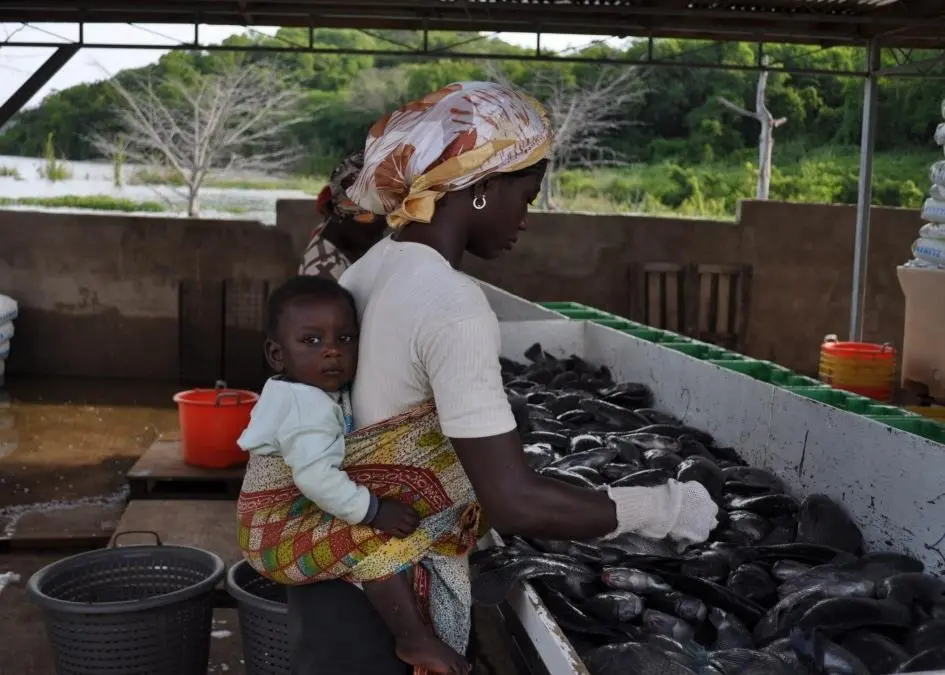
A programme has been set up to transfer the ‘Norwegian model’ of aquaculture – a collaborative effort by the private sector, official regulative forces and R&D and education institutions – to Ghana.
“With the Norway-Ghana Tilapia Initiative (NORGHATI) we will transfer technological and veterinary competence necessary to secure a biological sustain development of an African aquaculture industry,” said Dr Kofitsyo Cudjoe, program manager of the initiative.
The NORGHATI is the brainchild of MoreFish and its experience in farming tilapia in a tropical climate, especially in Ghana. Through its work in the West African country, the company says it’s seen the many challenges and has now found solutions.
“To fulfil NORGHATI’s targets, enhancement of fish health of the nation and transfer of competence from the Norwegian specialised milieu of aquaculture is a good start,” added Mr Cudjoe. “Moreover, NORGHATI aims to build a showcase for Norwegian aquaculture technology suppliers and services.”
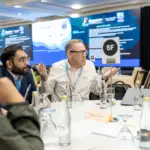
The initiative was officially presented at a meeting in Oslo help by Tekna Forum for Transfer of Technology (Tekna FTU) with participants from other initiatives in Africa and the Norwegian Foreign Department, Norwegian Innovation Fund and the Norwegian Agency for Development Cooperation (NORAD). Tekna FTU’s goal was to present practical advice and suggestions for the Norwegian government’s new aid programme, ‘Fish for Development’, and how the programme can contribute to sustainable and commercial aquaculture for selected regions and nations.
MoreFish says the aquaculture industry in Ghana is growing each year, but struggles to become commercially viable and at the same time responsible in sustainable terms.
As a result, NORGHATI will provide tutoring for aquaculture fields on selection and breeding, nutrition, diagnosis, management, fish health and implementing technology due to industrial standards.
The programme will be implemented in phases, with interactive participation from the private sector and academics.
Related Articles
 FISHERIES
 FISHERIES
 WORLD FISHING EVENTS