



The annual horse trading over quotas has taken place in Brussels, and fishermen in Europe know what they can catch and when.
The emphasis, at last, seems to be on reducing discards; this was always a farcical situation where dead fish were thrown back into the sea because of EU regulations.
As usual, the so-called conservation groups are saying that the agreement reached by fisheries ministers will be disastrous for the industry. However, be that as it may, it is down to all concerned to make the best use of the fish that can be caught, and to process them efficiently and effectively.
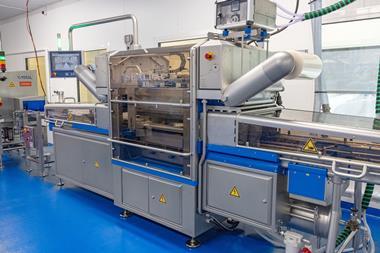
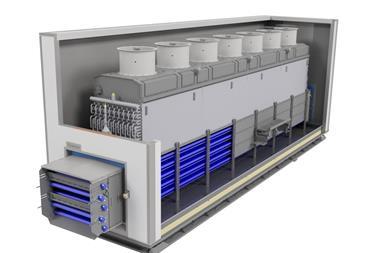
In the current financial crisis, processors need to recover as much usable material as possible and to do so at the lowest possible cost. Processing equipment is becoming ever more sophisticated and the manufacturers of this equipment are promising ever better yields. Of course, these machines are not cheap and it may be that a trade off has to be made between the initial cost of the equipment and the income that can be earned once it has been installed.
Some companies will argue that there is no need to buy brand new equipment, and renovated and restored machines will do an excellent job at a fraction of the cost.
How do you find out about what processing equipment has been developed and, more importantly, get to see it and talk to the engineers and technical staff who can answer your questions?
Well, the big seafood exhibitions have started to recognise the requirements of processors and two of the biggest now incorporate specialised processing equipment shows. Seafood Processing America (SPA) is part of the International Boston Seafood Show, and Seafood Processing Europe (SPE) is part of the European Seafood Exposition and occupies its own separate hall at the Brussels Exhibition Centre.
These exhibitions are looming on the horizon. SPA takes place in March, while SPE will be held towards the end of April. SPE is the bigger of the two shows and will have all types of equipment on display ranging from complete processing lines from giant manufacturers such as Baader and Marel, to recyclable packaging materials and labels tracing where the fish have been caught.
The exhibition is well worth visiting, even if just to see the ways in which new technology is being utilised and to get ideas for the future. It is also useful to walk around the much larger seafood show and see the different products on display from all over the world.
There was a time, and not that long ago, when fishermen were only interested in catching fish, and then as much as possible. It was someone else’s job to sell it, regardless of the type and quantity and the market requirements. There were two distinct sections involved with providing the consumer with what he or she wanted to buy, and both sides often mistrusted each other to their mutual disadvantage.
Thankfully those days have gone, and all sectors of the industry recognise that they must work together to get more fish on the world’s tables.