



A collaboration between PETA, industry and government has developed a new way of testing the algal toxin levels of shellfish for human consumption.
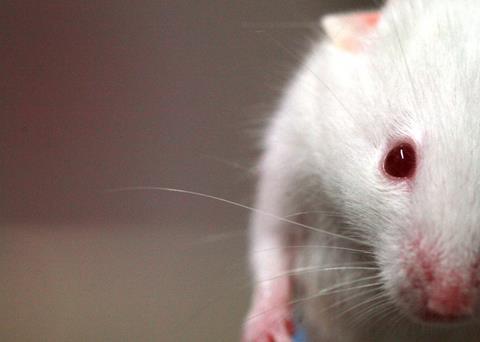
US fisheries have, for decades, tested algal toxin levels of shellfish by processing a sample of the shellfish in a blender and injecting the resulting slurry into the abdomen of live mice, causing them to suffer seizures, paralysis, and death by suffocation.
Now fisheries will have access to a new, more accurate test for paralytic shellfish poisons that will save thousands of mice from a painful death.
The previous test used six to eight mice to test each shellfish bed periodically to ensure that the shellfish were safe for humans to consume, but the new test developed by a scientist from the Food and Drug Administration uses the tissue from one killed rat to make 1,000 accurate tests.
PETA helped fund the licensing necessary to implement the new test nationwide and is now working to inform all US fisheries of this development so that they can begin replacing the live-mouse test as soon as possible. PETA has also put money toward a grant that will further refine the new method so that slaughterhouse byproducts can be used.
The new test detects paralytic shellfish poisons, a group of toxins that can cause facial paralysis, hypotension, vomiting, tachycardia, and fatal cardiovascular shock. These toxins may be found in mussels, softshell clams, oysters, lobsters, crabs, herring, salmon, and many other species off the northern Atlantic and Pacific coasts of the United States.