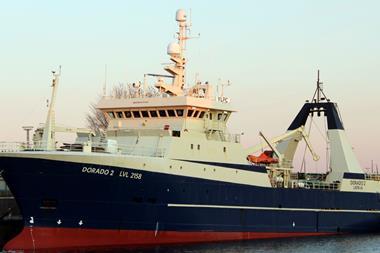




The 31st annual meeting of the North-East Atlantic Fisheries Commission (NEAFC) was held recently in London – but it was weak in ambition, according to Oceana.
The meeting outlined the positive management measures which will be in place for 2013 for a number of fish stocks including redfish in the Irminger Sea and Rockall Haddock in the North East Atlantic.
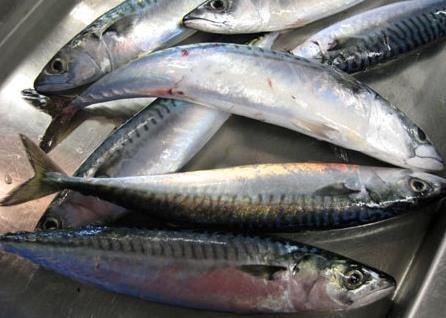
Nonetheless, Oceana has expressed disappointment that the same management measures will not be applied to large pelagic fish stocks – namely blue whiting, herring and mackerel, consultation for which will continue in December.
The organisation says that next year will be the fourth consecutive year of mismanagement of mackerel, which has resulted in a fishing mortality rate that is over the precautionary limit.
Xavier Pastor, executive director of Oceana Europe, said: “What has happened with species like mackerel over the last few years damages not only the stock status but also the reputation of the Commission. Countries shouldn’t decide on their own how much mackerel to fish; catches should be fixed in line with scientific advice.”
The NEAFC meeting also conducted a review of the NEAFC’s regulation of bottom fisheries during which the decision was made to lower the threshold levels for encounters with vulnerable marine ecosystems by 50%.
But Oceana says that when it comes to the boundaries of Rockall, the Edora Bank and the Hatton Bank, more efforts could have been made with regards to area extensions and periods of protection.
It is also concerned that no improvements were made in the case of deep-sea species. It accused the Commission of limiting its decision to proroguing the previous measures, "which basically consist of fishing effort restrictions."
Oceana did welcome the prohibition of fishing for deep-sea sharks and other highly vulnerable species like blue ling though, a measure which it says should also be adopted for orange roughy.