



The government of Ecuador has adopted as public policy the National Tuna Action Plan, a management tool for ensuring the sustainability of tuna fisheries.

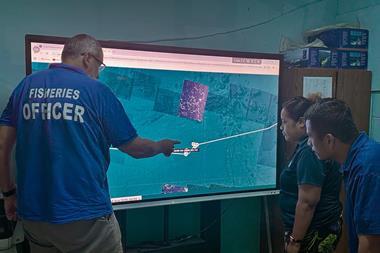
The PAN TUNA plan has several key points: reducing bycatch; strengthening the monitoring and management of environmental impacts; strengthening traceability; developing environmental education programs and improving scientific research.
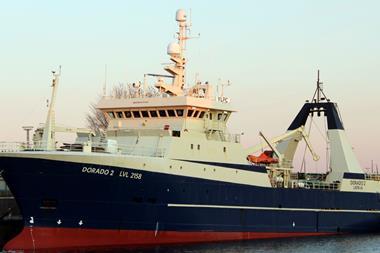
Ecuador is the main producer of tuna in the Eastern Pacific Ocean and the second largest worldwide. With around 300 thousand tonnes per year of catch, it has the largest tuna fleet and the largest processing capacity in the region.
This agreement follows coordinated work between the national fishing authority, tuna guilds, civil society organisations and other stakeholders. Since 2015, Tunacons, in cooperation with the Ministry of Production, Foreign Trade, Investments and Fisheries, WWF, and others have been cooperating on a fisheries improvement project which will certify part of Ecuador's tuna production under the Marine Stewardship Council.
This action is also part of the government's efforts to respond to the yellow card issued in the recent weeks by the European Union, so that fish exports return to the positive status that the country has previously maintained.
The certification process is expected to be completed by the end of the next year.