




The UN Food and Agriculture Organization (FAO) was mounting last week the first damage and needs assessment mission into Myanmar''s fishing sector, believed to be hit worse by cyclone Nargis than during the 2004 tsunami.
The five most affected states are considered the country's food basket, producing surpluses of fish, rice and pork for other parts of Myanmar, and overall food security situation in Myanmar is threatened, FAO said today.
Cyclone Nargis has affected the same areas in the Ayeyarwady division that were hit by the 2004 tsunami. This time around, the impact is believed to be far more severe.
Two senior emergency operations coordinators were to join FAO's resident team in Myanmar last week in response to an official government request for assistance to fishers in the Ayeyarwady division.
FAO will assist the government in assessing damage to rural livelihoods in the fishing, rice and livestock sectors and identifying the most urgent needs.
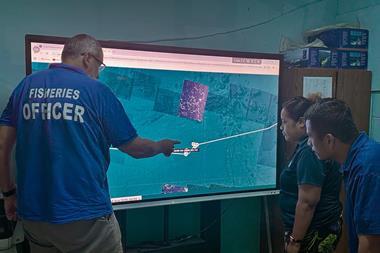
Early satellite pictures show significant damage to fishing vessels in harbours. The fate of the vessels at sea when the cyclone hit is currently unknown.
The coastline of Myanmar is over 3,000 km long and the Ayeyarwady division occupies the delta region of the Ayeyarwady river. The area has numerous rivers and channels and much of the transport in and around the area is by boat.
The area struck by the cyclone has some major fishing ports and landing sites. It is clear that many vessels have been sunk in harbours and damage to infrastructure such as landing facilities and fish storage and preservation facilities is likely.
Myanmar does not have an early warning system for cyclones and bad weather. Although fishermen are generally aware of weather conditions and do not go out to sea if storms are expected, fishers on small vessels may not have received warning in time.
As transport and communications are extremely difficult, FAO expects to have a preliminary assessment within 10 days, and a fuller picture of the situation within one month.
Short- and medium-term recovery plans will be prepared by FAO, and assistance will be provided to the Government to implement these emergency and rehabilitation plans.