


The Icelandic exporting company Sæmark’s cod and haddock fisheries have been awarded Marine Stewardship Council (MSC) certification.
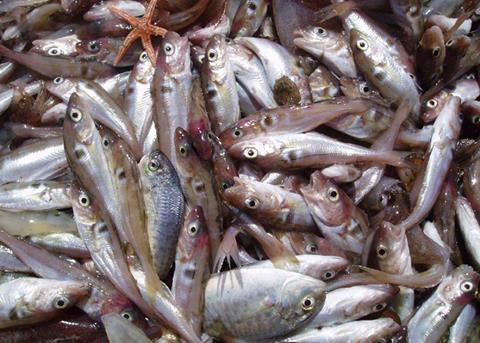
These are the first fisheries in Iceland to achieve MSC certification and cod and haddock caught by the Sæmark fishing fleet will be the first Icelandic cod and haddock, eligible to carry the MSC ecolabel.
Sæmark's associates catch cod and haddock year-round using longlines, handlines, and Danish seines mainly off the west and north-west coasts of Iceland. The MSC certificate includes 22 boats supplying four fish-processing companies associated with Sæmark Seafood Ltd. Once landed, MSC-certified fresh and frozen cod and haddock will be exported to its main markets in the USA, UK, and continental Europe. Salted fish is exported to Spain, Italy and Greece.
Svavar Þór Guðmundsson, Managing Director of Sæmark Seafoods Ltd, was presented with the MSC certificate on behalf of Sæmark and its partners during an event in Reykavik. He says, "There is increasing market demand for MSC certified seafood and we are looking forward to meeting that demand. We believe the MSC certification of our cod and haddock fisheries will support Sæmark’s existing business in key markets like the UK and the USA as well as increase our sales in new markets. In addition, obtaining MSC certification will enable us to communicate our commitment to sustainability, which is vital in today's seafood business."
Fiji fishery enters assessment
The Fiji Tuna Boat Owners Association’s (FTBOA) albacore tuna longline fishery has become the first Fijian fishery to enter full assessment for Marine Stewardship Council (MSC) certification.
Operating across the waters of the Fijian EEZ, the fishery’s 24 vessels use pelagic longline methods to catch 3,000 to 4,000mt of albacore each year. These tuna are sold predominantly in fresh form to markets in Japan, USA, Thailand and American Samoa.
The FTBOA’s albacore tuna fishery is currently managed under the Western and Central Pacific Fishery Commission (WCPFC). Under this international convention, Fiji is responsible for managing the fishery within its waters but must ensure that the management is compatible with agreements under the Commission.
Secretary of the FTBOA, Russell Dunham says: “The FTBOA is excited about our albacore tuna fishery undergoing independent assessment against the MSC standard of sustainability.
“One of the major objectives of the Association is to facilitate and promote the sustainable use of tuna, and tuna related resources, in Fiji and the wider Western Pacific region. We see working towards MSC certification as an important step in achieving this goal.
“Achieving MSC certification would also be an important step in maintaining and expanding our buyer base, as markets are increasingly demanding tuna from certified sustainable fisheries,” he added.
Pacific Islands Forum Fishing Agency (FFA) Deputy Director, James Movick noted FTBOA's commitment to undertaking MSC assessment was an encouraging step forward in the region's search to enhance the sustainability of its fisheries' resources, while at the same time securing improved and distinctive market competitiveness.
"I commend the FTBOA for taking this step and urge government resource managers, international markets and consumers to recognise and support this endeavour, and to appreciate the earnest commitment of FTBOA and its members to the principles of resource sustainability and market sensibility,” Mr Movick said.