


The West Greenland offshore Greenland halibut fishery has achieved Marine Stewardship Council (MSC) certification as a sustainable and well-managed fishery.
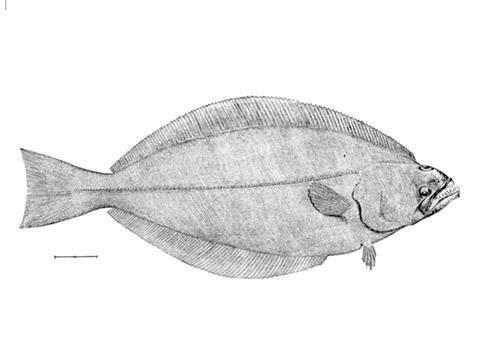
This is the first MSC certified Greenland halibut (Reinhardtius hippoglossoides) fishery in the world and represents half of the total allowable catch (TAC) of the stock.
“The Greenlandic fishery client, SFG has made tremendous effort in getting key fisheries certified against the MSC standard,” said Gisli Gislason, MSC senior programme manager for Iceland, the Faroes and Greenland.
“That applies for both their prawn, lumpfish and now the Greenland halibut fishery. By getting this certified as sustainable and well managed against the MSC Standard we hope it will be well received in the global markets, both in Europe and Asia.”
Sustainable Fisheries Greenland (SFG) entered the fishery into MSC assessment in March 2016 and the fish can now be sold globally carrying the blue MSC label.
"Greenland halibut is an important fishery for the Greenlandic economy. We have received more numbers of queries from our customers about the sustainability certification on our Greenland halibut fishery. We hope and believe this MSC certification will be well received by our overseas customers both in Europe and especially in Asia,” commented Lisbeth Due Shoeneman-Paul, corporate sustainability manager at Royal Greenland and chair of Sustainable Fisheries Greenland.
This fishery takes place in Baffin Bay and the Davis Strait off West Greenland and has been in existence since the mid-1960s. Fishing in the area is managed by the Government of Greenland, Ministry of Fisheries and Hunting, who set the annual TAC.
Enforcement by the Greenland Fishery License Control Authority (GFLK) subjects the fishery to logbook obligations and an observer scheme. Mesh size for nets has a regulated minimum of 100mm in the underwing and 140mm in the rest of the trawl, which avoids bycatch, and discards are banned.
Greenland halibut is the most valuable flatfish species in Greenlandic waters with most of the catch being exported to China and Japan for fillets, sushi and sashimi. In Europe, the biggest markets are Germany and Spain.
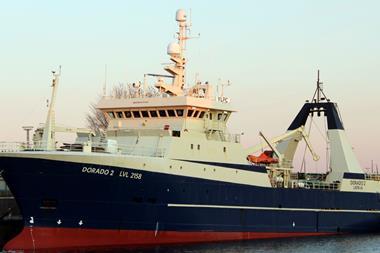
Certification took 14 months and was carried out by auditor DNV GL using MSC’s updated Fisheries Standard v2.0. The assessment covers four trawlers. The MSC’s science-based Fisheries Standard is the world’s most credible and recognised standard for environmentally sustainable wild-caught seafood.