


FCF Fishery Company (FCF) and the Western Pacific Sustainable Tuna Alliance (WPSTA) has announced that the Western and Central Pacific skipjack and yellowfin free school purse seine fishery has been granted Marine Stewardship Council (MSC) Standard for Sustainable Fishing certification.
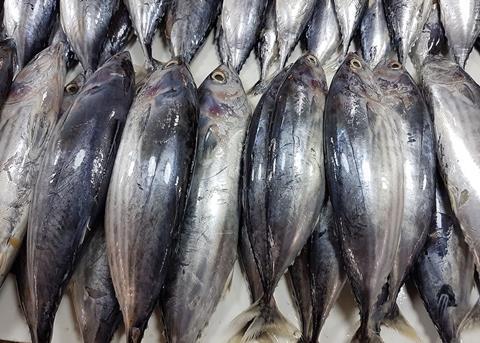
The fishery groups consist of vessels from the USA, Chinese mainland and Taiwan. Vessels principally fish for skipjack and yellowfin tuna within in the Exclusive Economic Zones (EEZs) of countries that are Parties to the Nauru Agreement (PNA) as well as the high seas.
“Tuna is an important source of protein for many nations and as a highly migratory species, management can often be a challenge. The certification of the WPSTA Western and Central Pacific skipjack and yellowfin free school purse seine fishery demonstrates positive collaboration between these leading fishing nations and a commitment to the sustainability of this ocean resource,” said Anne Gabriel, MSC Oceania programme director.
Sustainable best practise
“We have chosen to pursue MSC certification to contribute to the growing demand, expectation and responsibility towards sustainable management of our fisheries to provide sustainably sourced tuna from the Pacific, which provides 50% of the world’s skipjack tuna supply.” Said Max Chou, President of F.C.F Fishery company.
The certification decision was determined by third party certifier, SCS Global.
The MSC runs the only wild-capture fisheries certification and ecolabeling program that meets best practice requirements set by both the United Nations’ Food and Agriculture Organization (UN FAO) and ISEAL.
The MSC Chain of Custody standard requires that all certified product caught in certified fisheries can be identified and traced throughout the supply chain. MSC conducts periodic DNA tests to ensure seafood bearing the MSC blue ecolabel of approval can be traced back to a certified fishery.