





At the conclusion of their week-long meeting in Agadir, 48 member governments of the International Commission for the Conservation of Atlantic Tunas (ICCAT) have adopted positive measures that will help conserve the iconic Atlantic bluefin tuna, and advance shark protection in the future.
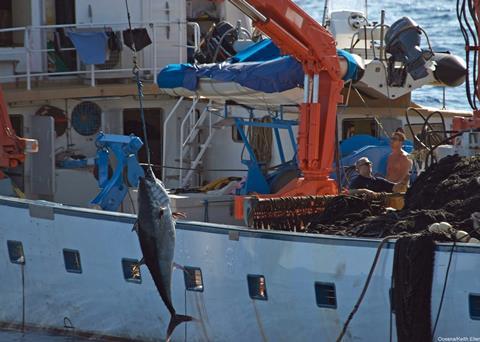
By following the advice of their own scientists to not increase fishing quotas for Atlantic bluefin tuna, one of the ocean’s most valuable fish, ICCAT solidified its commitment to making decisions based on sound science - according to the Pew Environmental Group.
In a ground-breaking move, one of the ICCAT member governments top priorities is adding a mandate for the conservation and management of sharks. This is the first time that negotiations will be launched to significantly amend the Regional Fisheries Management Organisation’s (RFMO) treaty since it was finalised in 1966.
However, ICCAT member governments sparred over other shark policy proposals. According to Pew, they deferred meaningful action on pressing matters surrounding immediate protective measures for sharks.
As in recent years, the RFMO considered necessary protection for porbeagle sharks - but it failed to reach a consensus. Delegates also failed to reach agreement on a catch limit for shortfin mako sharks, which continue to be in jeopardy from target fisheries, as well as those fisheries taking the sharks as bycatch.
Pew points out that ICCAT member governments also took an important step at the meeting with regards to their fight against illegal fishing by adopting a scheme for declaring catches along with port inspections. Unfortunately under this scheme, even if a vessel is found to have fished illegally, port governments will not be obligated to deny it landing, transshipment or access to port services.