

Research by Oceana has found that, on average, 30% of seafood served in Brussels restaurants was not the species ordered by the consumer.
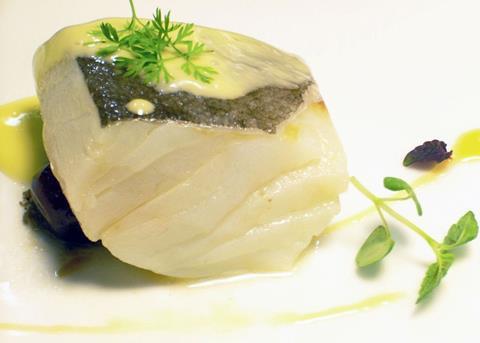
The Catholic University of Leuven carried out DNA identification analysis on over 280 samples, which were gathered in more than 150 restaurants and EU institutions.
Oceana says that the study reveals that economic reasons are the main driver behind the seafood fraud. Expensive species, such as cod or sole - sold for as much as €30 or €40 per dish - can be substituted by cheap, farmed pangasius.
The study found that, in 95% of cases, bluefin tuna was sold as bigeye tuna or yellowfin tuna – both cheaper tropical tuna species. In 11% of cases, common sole was substituted for another cheaper flatfish species; and in 13% of cases, cod was substituted for one of seven different species, most often being pangasius or saithe.
Oceana also discovered that 38% of fish served in EU institution canteens to decision-makers, including the European Parliament and the EU Commission, is a different than what was ordered.
“DNA tests shows widespread seafood fraud in Brussels restaurants and even in official EU venues. Consumers are cheated and the door is left wide open to the laundering of illegal fishing products,” said Lasse Gustavsson, executive director of Oceana in Europe. “The EU needs to clean up its fishy business, take responsibility and urgently improve traceability and labelling of seafood.
“The first step for EU decision-makers is to realise that this is a EU-wide problem and they, as consumers themselves, are just as vulnerable as the rest of us.”