

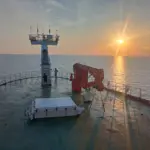




Marine research in Malta concludes
Oceana has concluded its at-sea research in Malta to explore deep-sea areas, underwater caves and sandbanks within the LIFE BaHAR for N2K project.
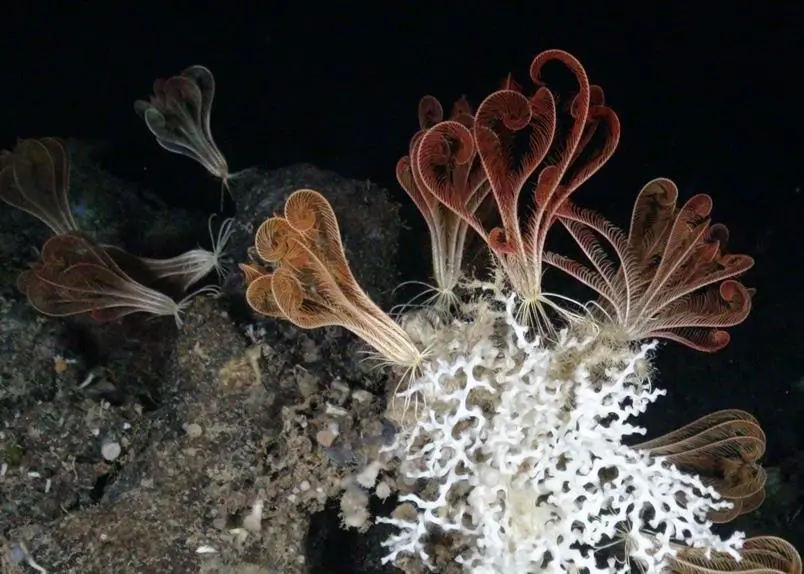
The project is the most comprehensive video survey of unknown marine areas ever undertaken in Malta and aims to achieve effective protection for three different habitats of high ecological value. Its preliminary findings include the identification of hundreds of species, large reefs of cold water corals and caves discovered 300m below the surface.
“The findings from Malta are impressive and include species that hadn’t previously been recorded in the Mediterranean,” said Ricardo Aguilar, expedition leader and research director at Oceana in Europe.
“The footage and samples compiled will require years of analysis to be fully valued but in the shorter term they will serve as the basis to create marine protected areas that help preserve this natural heritage and restore its abundance. We hope that other countries undertake similar actions to improve their understanding and protection of their marine environments.”
The total surveyed area amounts to 280,000km2, of which 230,000km2 are offshore. The project was divided in two expeditions (2015 and 2016), and utilised an ROV (underwater robot) able to reach depths of over 1,000m, and divers using underwater scooters to enhance speed. A total of 206 ROV transects (up to 1,039m deep) and 42 scuba dives were carried out.
During the surveys in deeper areas, the scientists discovered various reefs, impressive forests of gorgonians and rare yellow corals. The LIFE BaĦAR for N2K project will ensure these vulnerable species acquire valuable protection through the designation of protected sites under Natura 2000, the network that collectively safeguards the most valuable natural areas within the EU.
The expedition also filmed many cases of marine pollution, including plastic waste and discarded fishing gear. In other spots, areas of bottom dominated by rhodoliths (calcareous red algae) were noticeably damaged due to bottom trawling and mooring.
Related Articles
 FISHERIES
 FISHERIES
 WORLD FISHING EVENTS