




Marine Bill beacon of hope for UK seas
Today the UK Marine and Coastal Access Act has been introduced into the statute books. This new piece of legislation puts a duty on the UK Government, for the first time, to conserve and protect marine species and habitats.
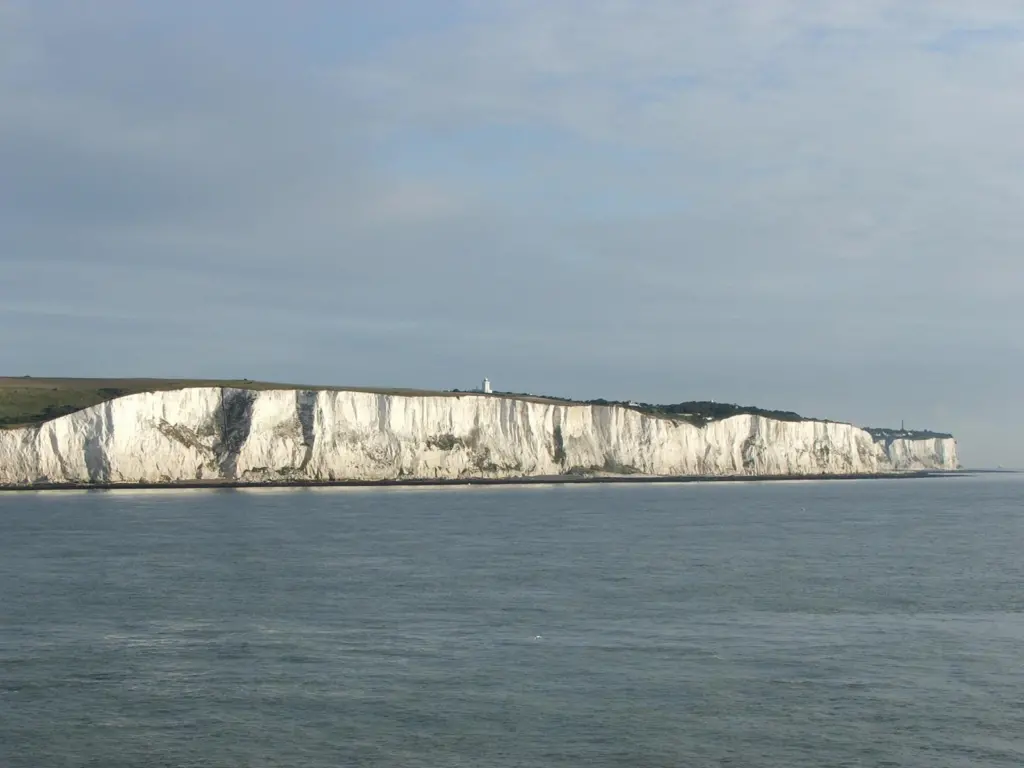
David Norman, Director of Campaigns at WWF-UK says: “This is a pivotal moment for UK conservation efforts and shows what can be achieved through tireless campaigning. This long-awaited piece of legislation has the potential to really make a difference to thousands of species. Not just dolphins and sharks, but seahorses, turtles, commercially important fish stocks, and lesser-known species like pink sea fans and sunset cup corals.”
“The Marine and Coastal Access Act will bring together the many rules and regulations that currently govern our seas to ensure our seas are used sustainably, and this legislation will provide long-term benefits to many people who rely on healthy, well-managed seas – from fishermen to tourist operators.”
WWF began campaigning for a Marine Act at the start of the decade, realising that a single, comprehensive piece of legislation was vitally needed to govern UK waters. Research into the seas shows that key species and habitats, such as Atlantic salmon, harbour porpoises, deep-water coral reefs, and seagrass beds have been hit hard, and are still under threat. Of the 16 flagship species and habitats monitored by WWF in 2005, 13 were found to be in decline and a new investigation this year concluded that none were at healthy levels.
The UK Marine and Coastal Access Act now puts a clear and unambiguous duty on the Government to designate a network of protected areas to conserve and improve the marine environment. A new Marine Management Organisation will manage and champion the UK’s seas, and following WWF lobbying, a Chief Scientific Advisor will be appointed to provide a stronger scientific steer for its decision-making
WWF says that it is pleased that the Government will now seek to ensure that new marine plans cover the whole of UK waters so that the multitude of activities at sea are planned strategically.
David Norman adds: “We now have the tools to protect our marine species and habitats but we cannot rest on our laurels. We must ensure that political momentum is not lost and both current and future Government’s are held to account on delivering the intentions behind this Act. With the right implementation the UK Marine and Coastal Access Act could become a leading piece of legislation that other countries across Europe can follow.”
Philip MacMullen, Head of Environment at Seafish, said: “The Marine and Coastal Access Act will offer better protection for the health of our seas. In principle, it should be good news for the fishing industry, but there are still lots of details to be filled in. Many of these will only be revealed when secondary legislation, new guidance, and management plans come to light. We are very concerned that the timetable for these new measures is too tight.”
Related Articles
 FISHERIES
 FISHERIES
 WORLD FISHING EVENTS